Occasion Dressing
Date Night Dressing When You Have No Idea Where to Start
The wardrobe paralysis is real — but it has less to do with your clothes than you think. Here is how to cut through it every time.

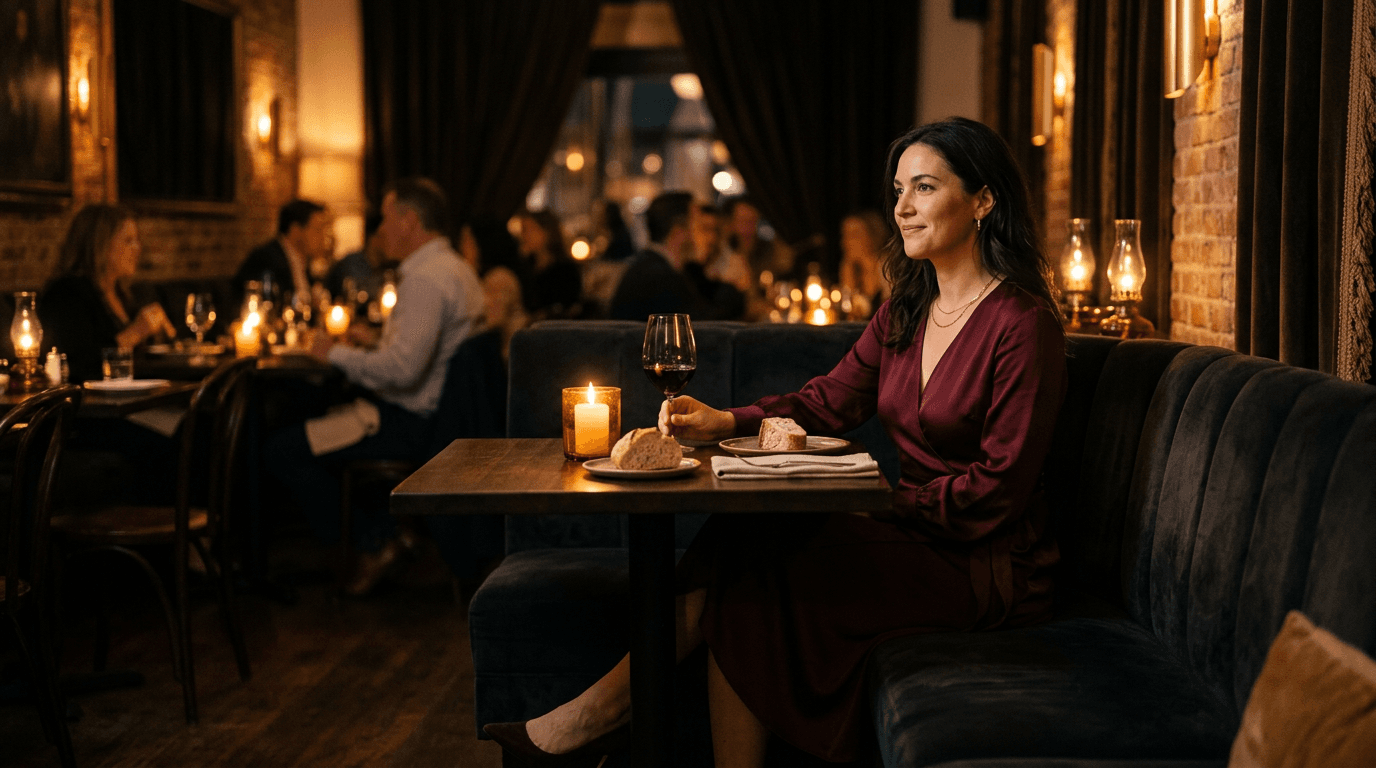
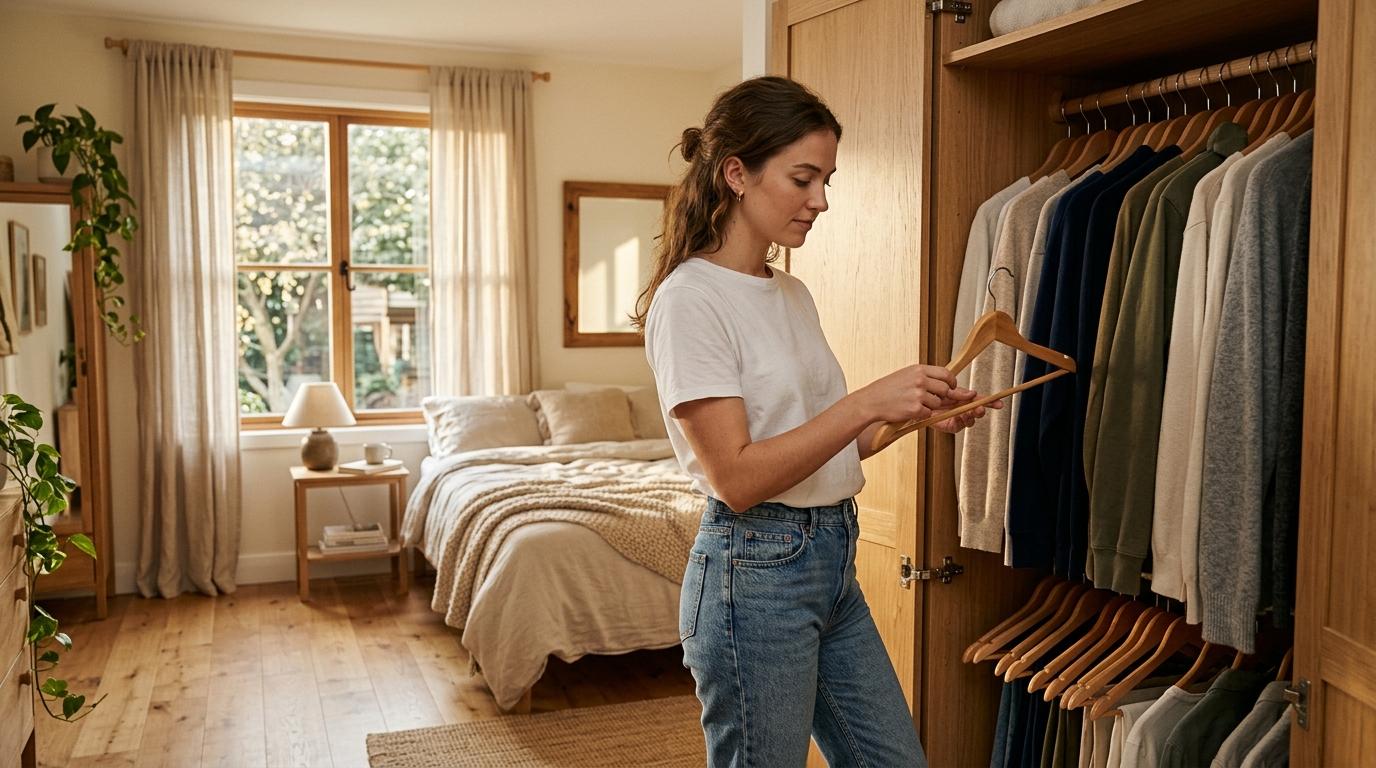
You know this scene. It is forty-five minutes before you need to leave and you are standing in front of your wardrobe — a wardrobe you know well, that you wear from regularly — and somehow nothing in it feels right. The dress feels too much. The trousers feel too little. The top you like is wrinkled. You try something, take it off, and start again.
The reason this happens is not that you have nothing to wear. It is that “date night” is one of the vaguest briefs imaginable. Are you going for dinner? Drinks? Both? Is it a first date, a fifth date, a long-term partner situation where the effort still matters but the stakes are different? The outfit cannot answer those questions for you. But once you have answered them, the outfit almost picks itself.
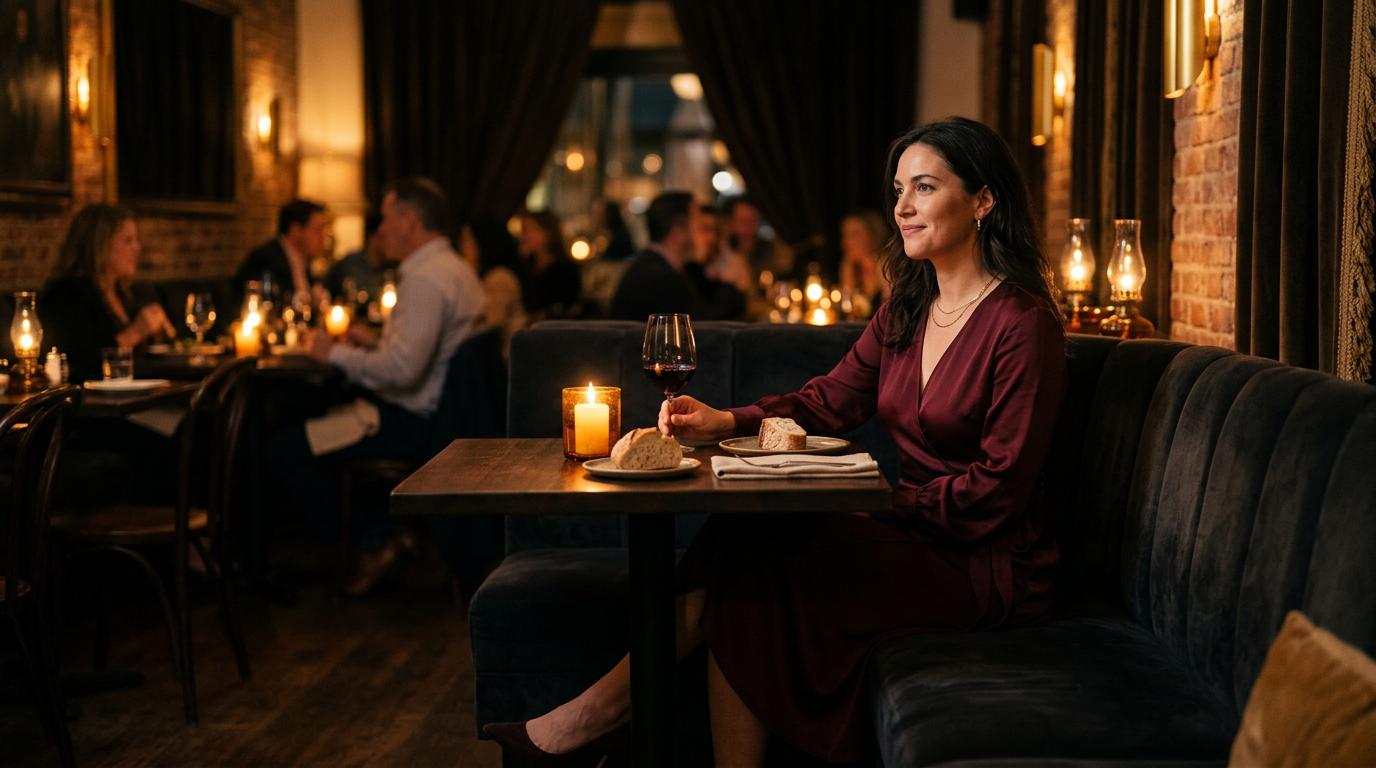
Why Date Night Outfits Feel Harder Than They Are
There are two things working against you when you get dressed for a date. The first is that you are dressing for an imagined audience — not the person you actually know, but a version of that person whose reaction you are trying to pre-empt. The second is that you want to look like yourself, but a slightly better version. That second goal is actually achievable. The first will make you change outfits four times for no reason.
Most date-night wardrobe spirals happen because the goal drifts from “look good and feel comfortable” to “look like I am the kind of person who always looks like this.” That is a much harder problem to dress your way out of.
The practical solution is to reset the brief before you open the wardrobe. What is the venue? What is the vibe — relaxed, polished, or somewhere between? What do you want to feel like when you walk in? Energised? Relaxed? Pulled-together? Start there and work backwards. The wardrobe becomes much more manageable when you know what you are actually looking for.
Three Formulas That Always Work
After years of helping clients get dressed for occasions, I come back to three formulas that work across almost every date-night scenario. They are not about specific pieces — they are about structural decisions that produce a reliable result.
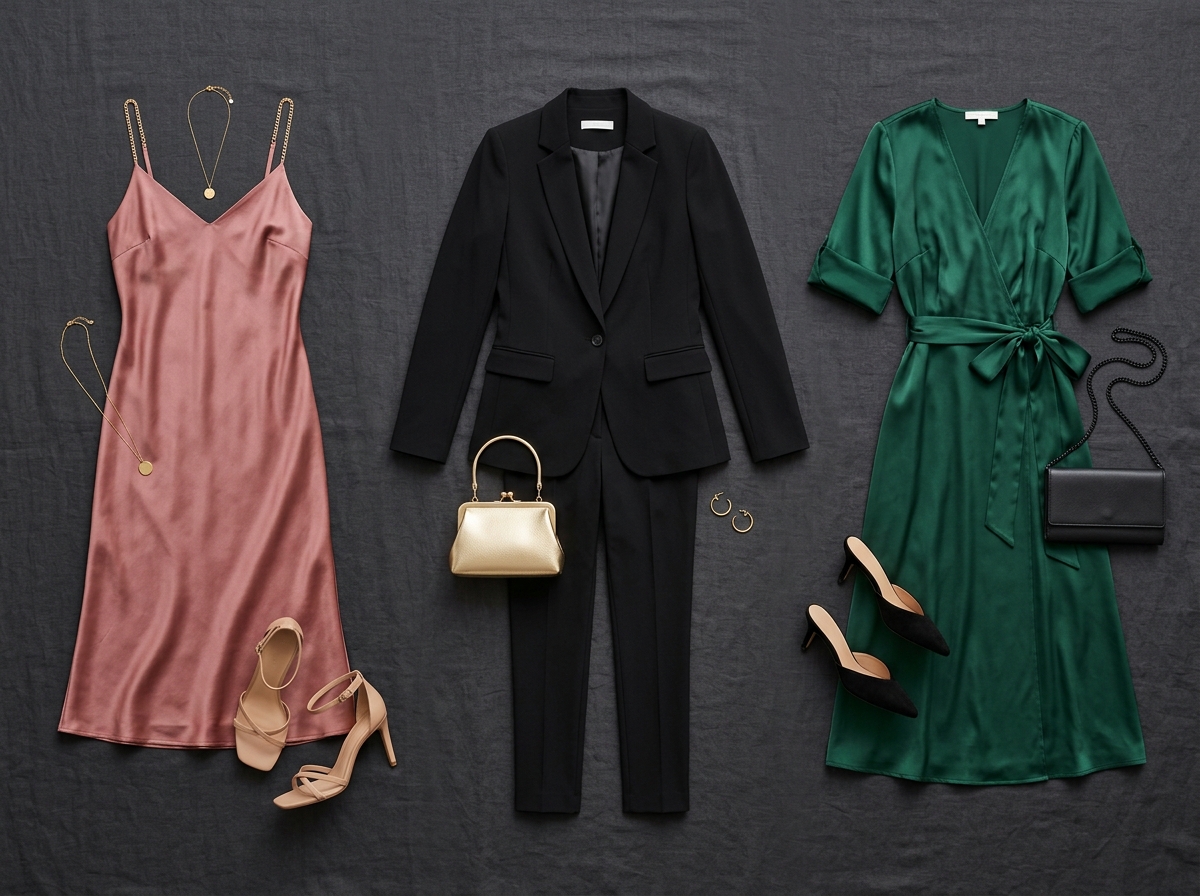
Formula 1: The elevated version of your everyday. Take the most reliable outfit combination you wear regularly — the one where you feel like yourself — and raise it one level. Swap the flat shoes for a low heel or a pointed-toe mule. Add one piece of jewellery that you would not normally reach for on a Tuesday. Tuck in the top if you usually leave it out. The result looks considered without looking like a costume, and you will feel comfortable because you are basically already wearing what you know.
Formula 2: One statement piece, simple everything else. Choose one piece that you love and build the outfit around it: a silk slip dress, a blazer with a strong shoulder, a wide-leg trouser in a rich colour. Then keep everything else simple. Solid colours, clean lines, understated shoes. The statement piece does the work. Your job is to not compete with it.
Formula 3: The “definitely works” safety outfit. Every person with a functioning wardrobe has at least one outfit that has never failed them — the one that gets compliments, that you feel good in at any point in the evening, that requires no adjusting or second-guessing. Know what yours is. When the clock is running and the anxiety is real, wear that. There is no prize for originality on a date. There is significant value in feeling settled in what you are wearing.
If you want to see how these formulas would work with pieces you already own, try building the look in your Loryve wardrobe before the clock starts counting down.
What to Think About Before You Decide
Before you go to the wardrobe, run through these four questions. They take about two minutes and save much more than that.
Where are you actually going? A cocktail bar calls for something different than a dinner reservation, which is different again from a walk-then-drinks scenario where comfort becomes genuinely relevant. If you are going to be on your feet, heels that hurt after an hour are a bad choice regardless of how good they look.
What is the temperature — indoors and out? This sounds mundane but it genuinely shapes the outfit. A beautiful dress that you spend the evening cold in is not a good look. A blazer layered over something simpler gives you options. The most confident you will be is the most comfortable you are.
What do you want your energy to feel like? Some nights you want to feel polished and intentional. Others you want to feel relaxed and easy, like you showed up as yourself. Both are completely valid. The outfit should match the mood you want to have, not the mood you feel you should project.
What has this person already seen you in? If you wear the same outfit you wore to the last thing you did together, that is not a problem — it is actually a sign that you have clothes you love and reach for. But if you want to dress a bit differently, think about what direction that is: more relaxed, more dressed up, or just a different version of the same vibe.
The Mistakes That Are Easy to Make
These are the things I see come up again and again — not because people have bad taste, but because the circumstances make them easy to fall into.
Wearing something brand new. A date is not the time to debut an untested piece. New shoes you have not broken in, a dress you have only tried on in a changing room, a jacket whose fit you are not entirely sure about. New things require testing time that a date does not give you. Save them for lower-stakes occasions where you can get a read on how they actually feel to move in.
Overdressing to manage nerves. There is a version of getting too dressed up that is really about anxiety — the feeling that if the outfit is impressive enough, the rest of the evening will be easier. It rarely works that way. An outfit that is more dressed-up than the occasion calls for puts you at a disadvantage because you spend the evening negotiating with it: adjusting, worrying, feeling slightly out of place. Dress for the situation, not for the worst-case version of it.
Changing too many times and landing somewhere wrong. The third or fourth outfit you try on is almost never better than the first. It is usually just the result of momentum and decision fatigue. When you take something off because it is genuinely not right, replace it with something specific in mind. If you find yourself changing because you cannot decide, go back to the first option.
Forgetting that comfort shows. This is the one that matters most. The version of you that feels easy in what you are wearing is more attractive and more memorable than any particular outfit. Whatever you choose tonight — wear it like you meant to.
Related articles
Occasion Dressing
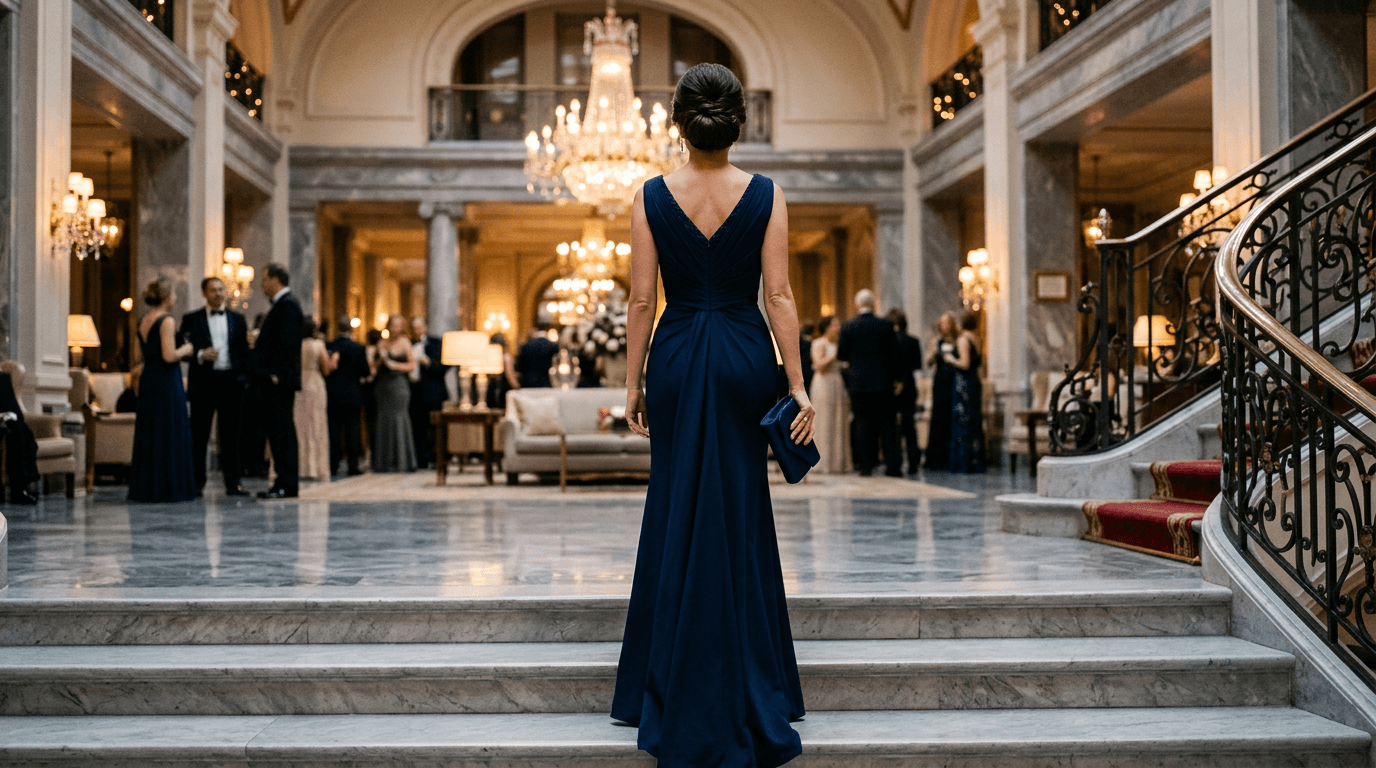
Occasion Dressing Decoded: What Every Dress Code Actually Means
Cocktail attire. Smart casual. Black tie optional. Every invitation carries a dress code, and most of them are misread. Here is the definitive guide to what each one actually requires.

Styling
The Spring Edit: 5 Outfits I Keep Coming Back To
Spring can feel like you need a whole new wardrobe when really you just need five combinations that work. These are the outfits I return to week after week — simple, wearable, and easier to put together than they look.
Styling
What to Wear When You Have Nothing to Wear
That "nothing to wear" feeling is not about missing clothes. It is about missing combinations. A few shifts in how you look at your wardrobe change everything.