Styling
What to Wear When You Have Nothing to Wear
You have more outfits than you think. Here is how to find them when your closet feels impossible.

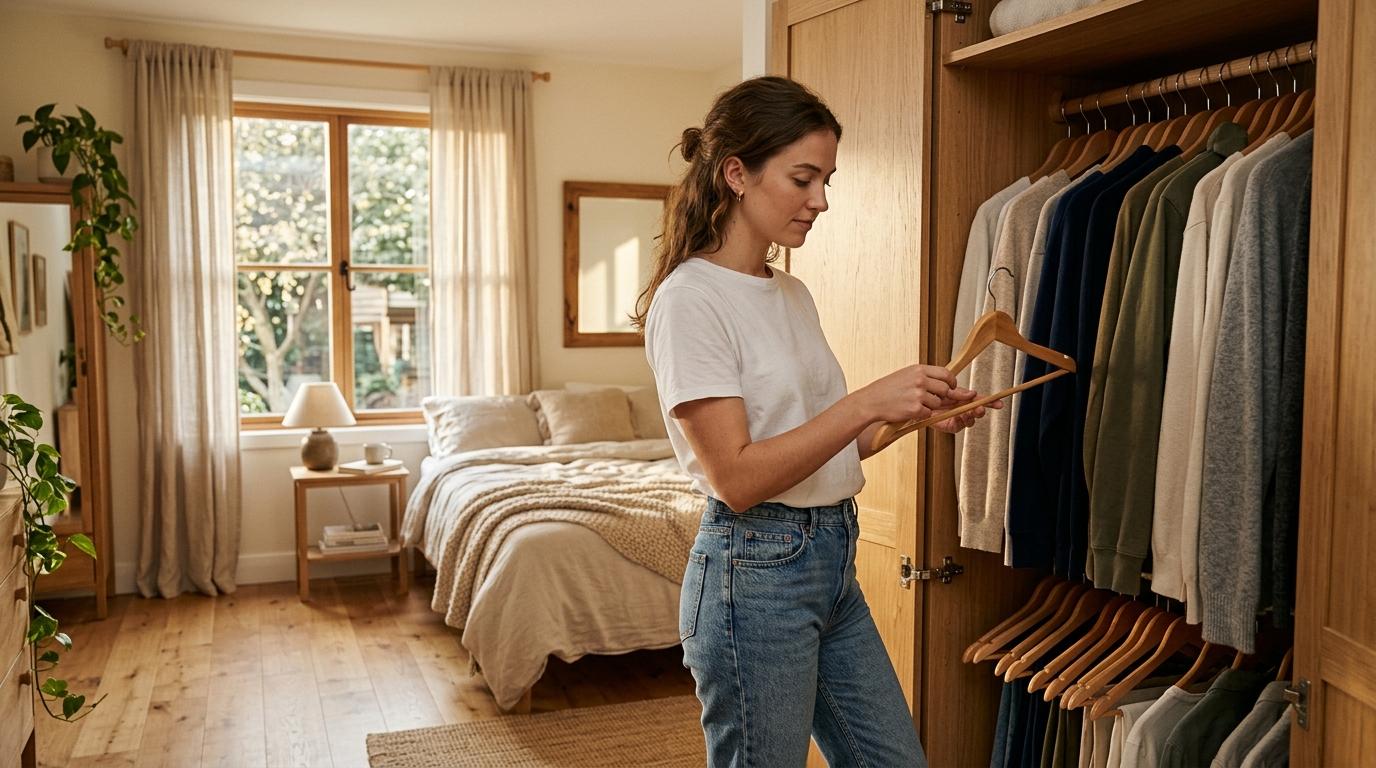
You know the feeling. You are standing in front of a full wardrobe, already running late, and absolutely nothing looks right. Everything feels boring, or wrong for the weather, or just slightly off in a way you cannot explain. So you grab the same safe combination you wore two days ago and leave the house feeling uninspired.
Here is the thing — the problem is almost never that you lack clothes. It is that you are trying to build an outfit from scratch under pressure, with no plan and no starting point. That is like opening a full fridge and saying there is nothing to eat. The ingredients are there. You just need a recipe.

Why a Full Closet Feels Empty
Decision fatigue is real, and mornings are the worst time for it. Your brain is not fully online, you are thinking about ten other things, and now you have to make a creative decision with a ticking clock. No wonder you default to autopilot.
But there is a deeper layer. Most wardrobes are not built as systems — they are accumulated over time through random purchases, gifts, sales, and phases. The result is a collection of individual pieces that were never chosen to work together. You have tops that pair with nothing. Trousers that only match one shirt. A jacket you love but can never figure out what goes underneath.
The "nothing to wear" feeling is not about quantity. It is about connection. When your pieces do not talk to each other, even a wardrobe of fifty items feels like it has three outfits.
The Five-Minute Outfit Rescue
When you are stuck and the clock is ticking, do not scroll through every hanger hoping for inspiration. Start with one piece — the one that catches your eye first — and build from there.
Step 1: Grab your favourite bottom. The trousers, jeans, or skirt you feel best in. Not the newest pair — the most reliable one. That piece is your anchor because you already know it fits and you already know it makes you feel good.
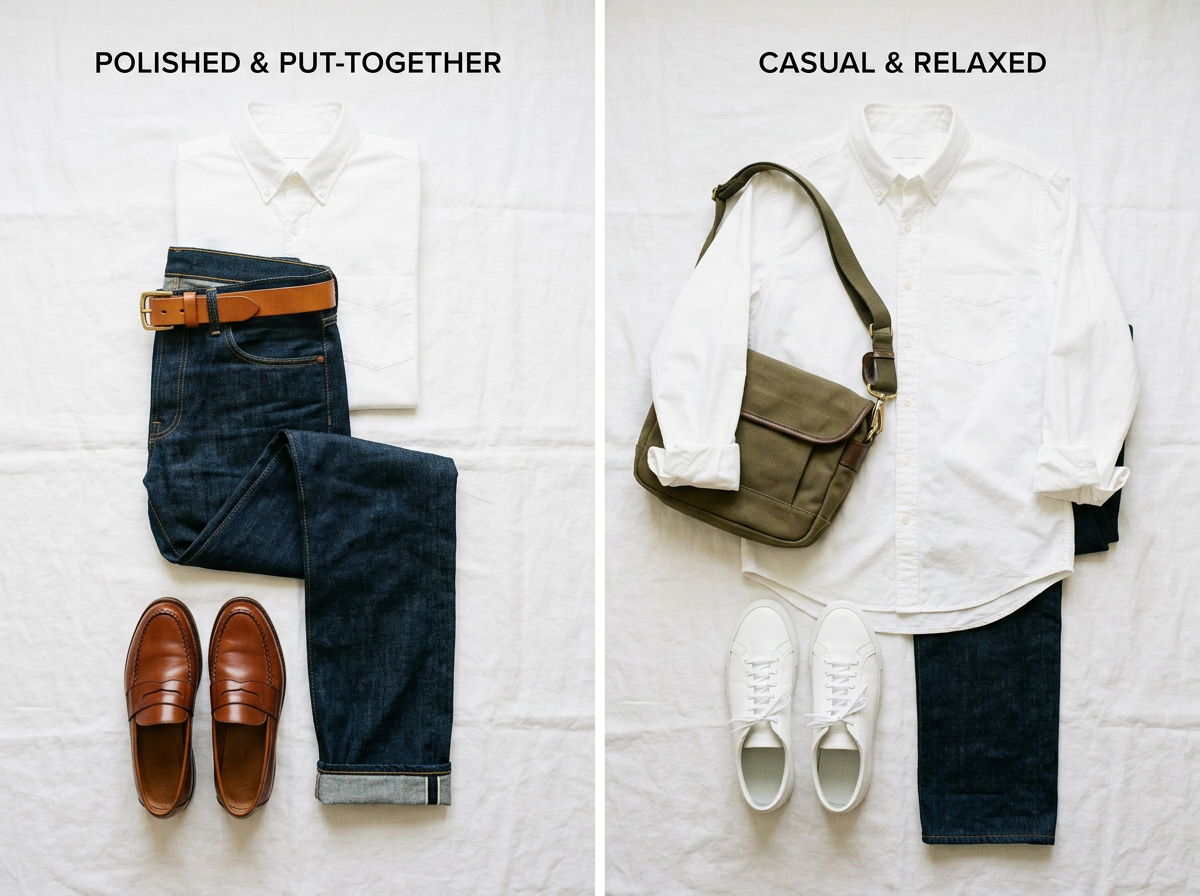
Step 2: Pick a top in a different tone. If the bottom is dark, reach for something lighter. If the bottom is neutral, you have freedom to go bolder. The point is contrast — even subtle contrast. Same-tone head to toe can work, but when you are in a rush, a visible shift between top and bottom reads as "put together" without effort.
Step 3: Add one finishing piece. A belt, a watch, a bag that is not your daily default, a scarf, rolled sleeves — anything that signals this was not accidental. This single detail is what separates "I got dressed" from "I chose this outfit."
That is it. Three decisions. Under five minutes. And you will look more intentional than 90% of people who spent longer staring at their closet.
Combinations Hiding in Your Wardrobe Right Now
You probably have outfit combinations you have never tried — not because they would not work, but because you mentally assigned each piece to a fixed role.
The work blazer as a weekend layer. Throw it over a plain tee and jeans with clean sneakers. It instantly upgrades a casual look without feeling corporate. Roll the sleeves if it feels too formal.
The summer dress in cooler weather. Layer a fitted turtleneck underneath, add ankle boots and a structured bag. The dress becomes a pinafore-style piece with a completely different character.
The "boring" white shirt. Tuck it into a high-waisted skirt with a belt for a polished lunch look. Or leave it untucked over leggings with trainers for an errand run that still feels styled. Same shirt, two completely different moods.
The gym hoodie outside the gym. Pair it with tailored trousers and loafers instead of joggers and trainers. The contrast between casual and polished is what makes it look intentional rather than lazy.
The trick is to stop seeing your clothes as fixed categories. When you let a work piece into your weekend and a casual piece into your smarter outfits, your wardrobe effectively doubles without adding a single item.
The Mistakes Keeping You Stuck
Saving your best pieces for special occasions. That top you love but never wear because you are "waiting for the right moment"? Wear it on a Tuesday. Clothes lose value sitting in the closet. Your best pieces should be in regular rotation — they are the ones that make you feel confident, and confidence is not reserved for weekends.
Thinking in full outfits instead of building blocks. You do not need to picture a complete look before reaching into the wardrobe. Start with one piece and let the outfit build itself around it. Trying to visualize the entire thing from scratch is what makes it feel overwhelming.
Ignoring the power of accessories. The same jeans-and-tee combo looks like three different outfits with different shoes, a different bag, or a different belt. Accessories are the fastest way to create variety without buying new clothes.
Never photographing what works. When you put together an outfit that makes you feel great, take a photo. Over a few weeks you will have a personal lookbook you can scroll through on tough mornings. It takes the creativity pressure out of getting dressed. If you use a digital wardrobe tool like Loryve, you can save combinations and pull them up instantly — like having a stylist's notes without the stylist.
Build Your Go-To List This Weekend
Set aside twenty minutes this weekend. Pull out your most-worn pieces and build five complete outfits. Not aspirational ones — outfits you would genuinely wear on a normal day. Photograph each one.
These five looks become your emergency roster. On any morning where your brain refuses to cooperate, you open the photos and pick one. No decision fatigue. No standing in front of the closet. Just a pre-made answer that you already know works.
Once you have your starting five, try one experiment per week: swap one element in a proven outfit. Different shoes. A layering piece. A colour you would not normally pair. Most experiments will work. The few that do not will teach you something about your preferences. Either way, your outfit range grows without any shopping.
The "nothing to wear" problem is solvable, and the solution is not more clothes. It is knowing what you have, knowing what works on you, and having a short list of reliable combinations ready for the mornings when inspiration does not show up. That is not giving up on style — it is making style work for your actual life.
Related articles

Occasion Dressing
Date Night Dressing When You Have No Idea Where to Start
Standing in front of a full wardrobe with nothing to wear is a date-night rite of passage. But the problem is almost never the clothes — it is the brief. Here is how to clarify it and dress with confidence.

Styling
The Spring Edit: 5 Outfits I Keep Coming Back To
Spring can feel like you need a whole new wardrobe when really you just need five combinations that work. These are the outfits I return to week after week — simple, wearable, and easier to put together than they look.
Occasion Dressing
Occasion Dressing Decoded: What Every Dress Code Actually Means
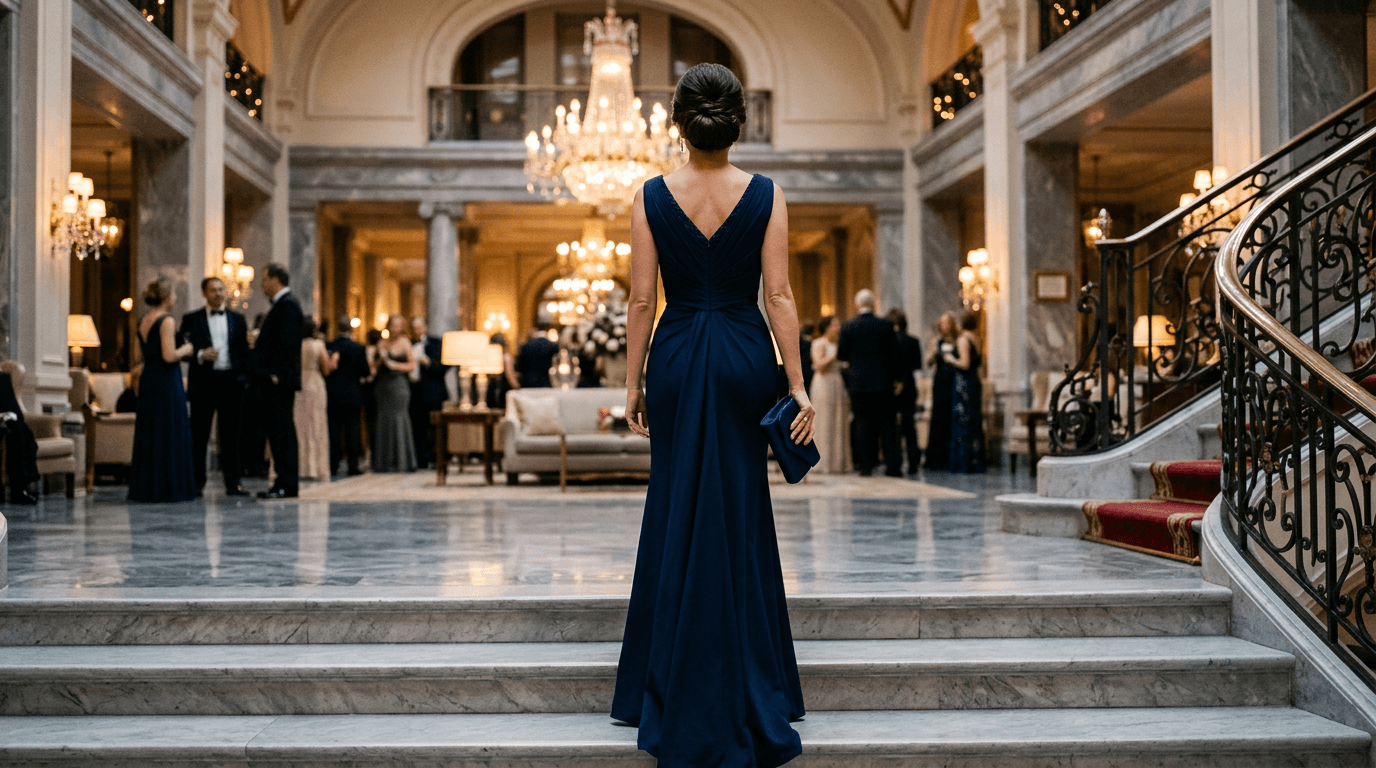
Cocktail attire. Smart casual. Black tie optional. Every invitation carries a dress code, and most of them are misread. Here is the definitive guide to what each one actually requires.