Wardrobe Strategy
How to Stop Buying Clothes You Never Wear
A simple system that cuts impulse purchases and makes every new piece earn its place.

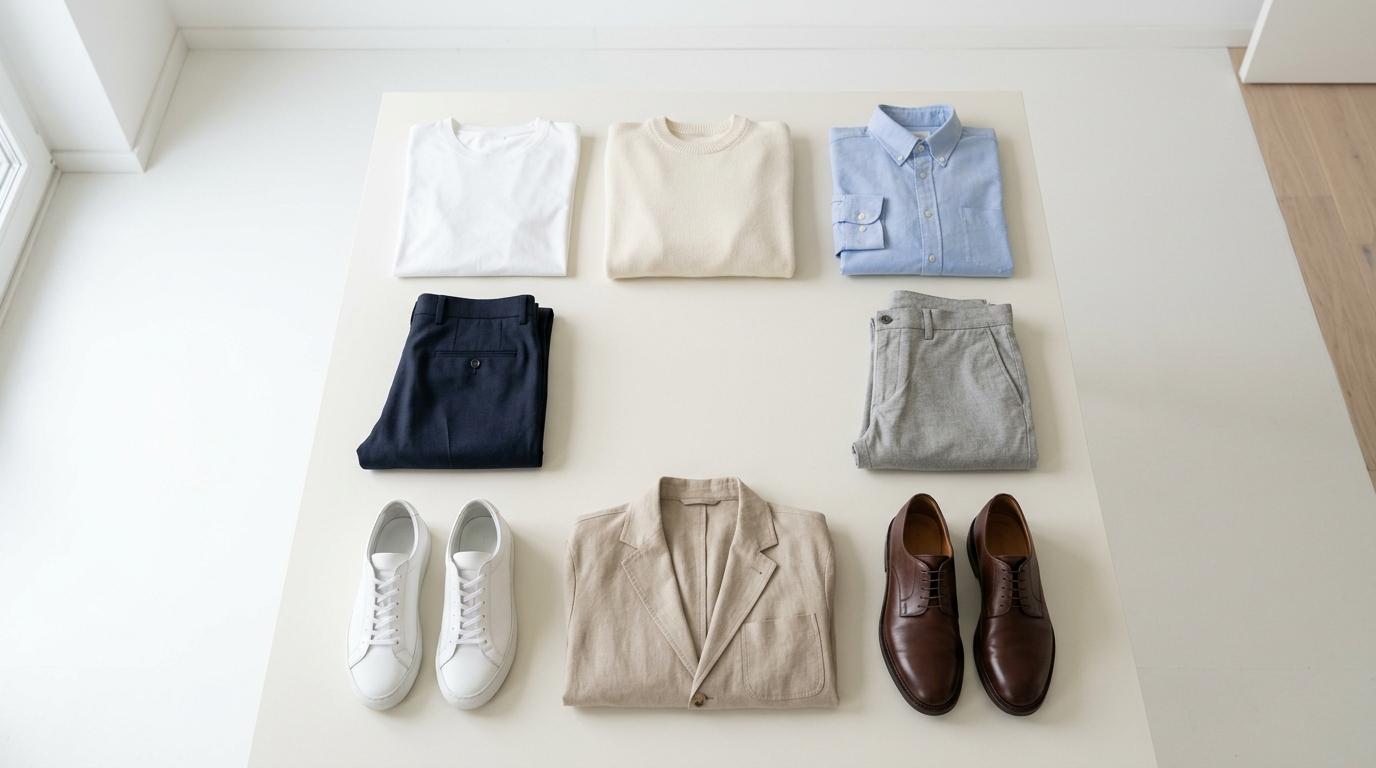
Open your wardrobe. Count the pieces you have not worn in the last three months. If that number is higher than you expected, you are not alone — and the problem is not your wardrobe size. It is how you shop.
Most clothing purchases fail not because the item is bad, but because it does not connect to anything else you own. It looked good on the rack. It felt like a deal. But when you got home, it sat in the closet because nothing paired with it, or it duplicated something you already had, or the occasion you bought it for never arrived. The fix is not willpower. It is a system.
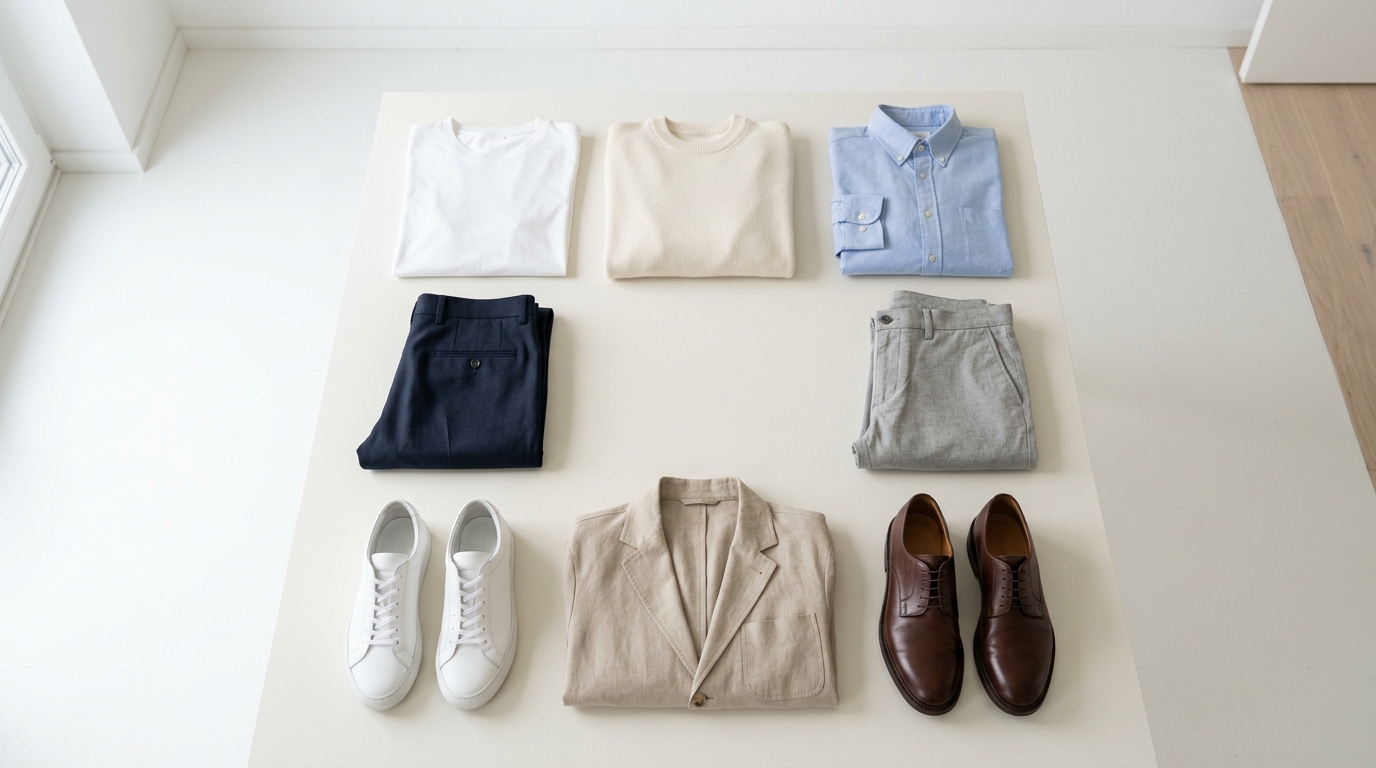
The Real Cost of Impulse Buying
A shirt you wear once costs whatever you paid. A shirt you wear fifty times costs almost nothing per wear. This is cost-per-wear — the most useful metric for evaluating whether a purchase actually worked.
Most impulse buys fail the cost-per-wear test badly. A sale jacket at 70% off still costs you money if it stays on the hanger. A full-price basic tee that you wear three times a week is one of the cheapest items in your wardrobe within a month.
Beyond money, there is a cognitive cost. Every piece you own but do not wear adds noise. It takes up space, clutters your decisions, and makes it harder to see the combinations that actually work. A wardrobe full of mistakes is not just expensive — it is exhausting.
The Three-Outfit Test
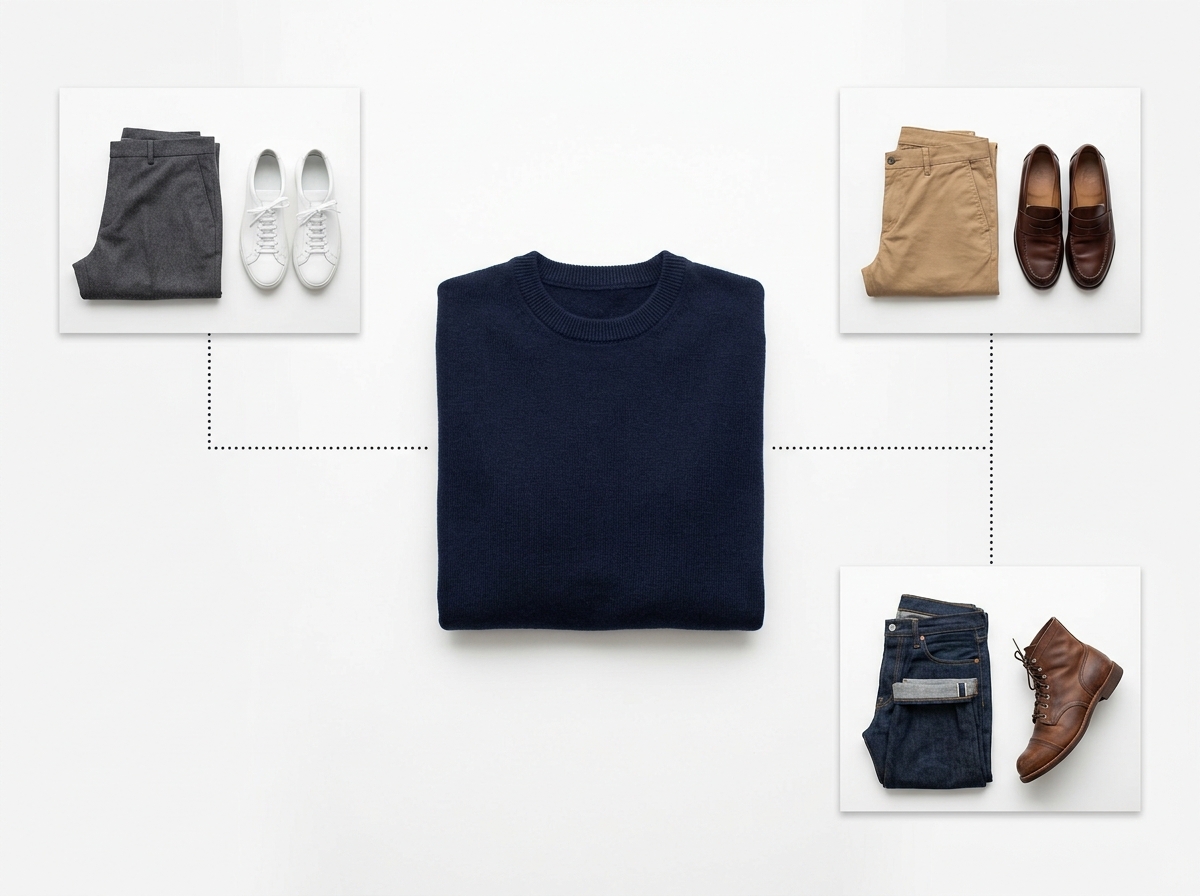
Before buying anything, mentally build three complete outfits using the new piece and clothes you already own. Not vague ideas — specific combinations. Can you name the trousers, the shoes, the layer? If you cannot reach three, the piece does not have enough connections to your existing wardrobe.
This test catches the most common impulse triggers:
The orphan piece. It looks great alone but pairs with nothing you own. You would need to buy two more items to make it work, and those items will probably create the same problem.
The duplicate. You already have a near-identical item. The new version is slightly different — a shade darker, a slightly different cut — but not different enough to create new outfits. It just replaces what you have without adding range.
The fantasy purchase. You are buying for a version of your life that does not exist yet. The blazer for the job you might get. The dress for the party you might attend. If the occasion is not real and recurring, the piece will sit.
Why You Keep Making the Same Mistakes
You shop without knowing what you have. Most people have a vague mental model of their wardrobe that overestimates variety and underestimates gaps. You think you need another dark top until you open the drawer and count five. Meanwhile, you have zero mid-tone layers — which is why every outfit feels heavy.
You react to discounts, not needs. Sales create urgency that overrides judgment. The question shifts from "do I need this?" to "can I afford not to buy this at this price?" The answer to the second question is always yes.
You buy for trend, not for system. A trending silhouette or colour feels exciting in the store. But if it does not fit your existing palette, proportions, or lifestyle, excitement fades the moment you try to style it at home.
You ignore the return window. Keeping something because returning it feels inconvenient is paying for your own laziness. If the piece does not pass the three-outfit test once you are home, send it back. The temporary discomfort of a return is cheaper than a permanent closet resident you never touch.
A Better Shopping Process
Step 1: Audit before you shop. Spend fifteen minutes pulling out everything you actually wear. Not everything you own — everything you reach for. Lay it out. Photograph it. This is your real wardrobe. Everything else is filler. A digital wardrobe tool can speed this up by mapping your pieces by colour and type, making gaps and redundancies visible at a glance.
Step 2: Identify the gap, not the want. Shopping works best when it starts with a specific need. "I need a mid-weight layer in a neutral tone that works with my three most-worn trousers" is a brief. "I want something new" is not. The brief narrows your search and makes irrelevant options easy to dismiss.
Step 3: Apply the three-outfit test in the store. Before you reach the checkout — online or in person — run the test. Three real outfits, specific pieces. If you have your wardrobe photographed or digitized, you can check the combinations right there. Loryve's try-on lets you preview the new piece against your actual clothes, which removes the guesswork that leads to most regretted purchases.
Step 4: Wait 48 hours on anything over your baseline. Set a price threshold — whatever "not trivial" means for your budget. Anything above it gets a 48-hour pause. If you still want it and it still passes the test after two days, buy it. Most impulse items will not survive this delay.
What to Do Right Now
Count your unworn pieces. Pull out everything you have not touched in 90 days. Be honest. That stack represents money spent and space occupied for zero value. Let it inform your next shopping decision.
Photograph your working wardrobe. Just the pieces you actually wear. Having a visual map of your real wardrobe — even on your phone — makes the three-outfit test possible anywhere. You stop buying blind.
Set a one-in-one-out rule. Every new piece replaces one existing piece. This forces intentionality. If the new item is not better than what it replaces, it does not come in. Simple, but it changes how you evaluate purchases.
Unsubscribe from sale alerts. Discounts are not savings if you did not need the item. Remove the trigger. Shop on your terms, not on a timer.
The goal is not to stop buying clothes. It is to stop buying clothes that do not work. A wardrobe where every piece connects, every purchase has a role, and nothing sits untouched — that is not minimalism for the sake of it. That is just a wardrobe that respects your time, your money, and the effort you put into getting dressed.
Related articles
Wardrobe
A One-Hour Wardrobe Audit That Actually Works
A wardrobe audit does not need to take a weekend. With the right questions and no overthinking, you can clear the clutter and see what you actually own in under an hour.
Wardrobe Strategy
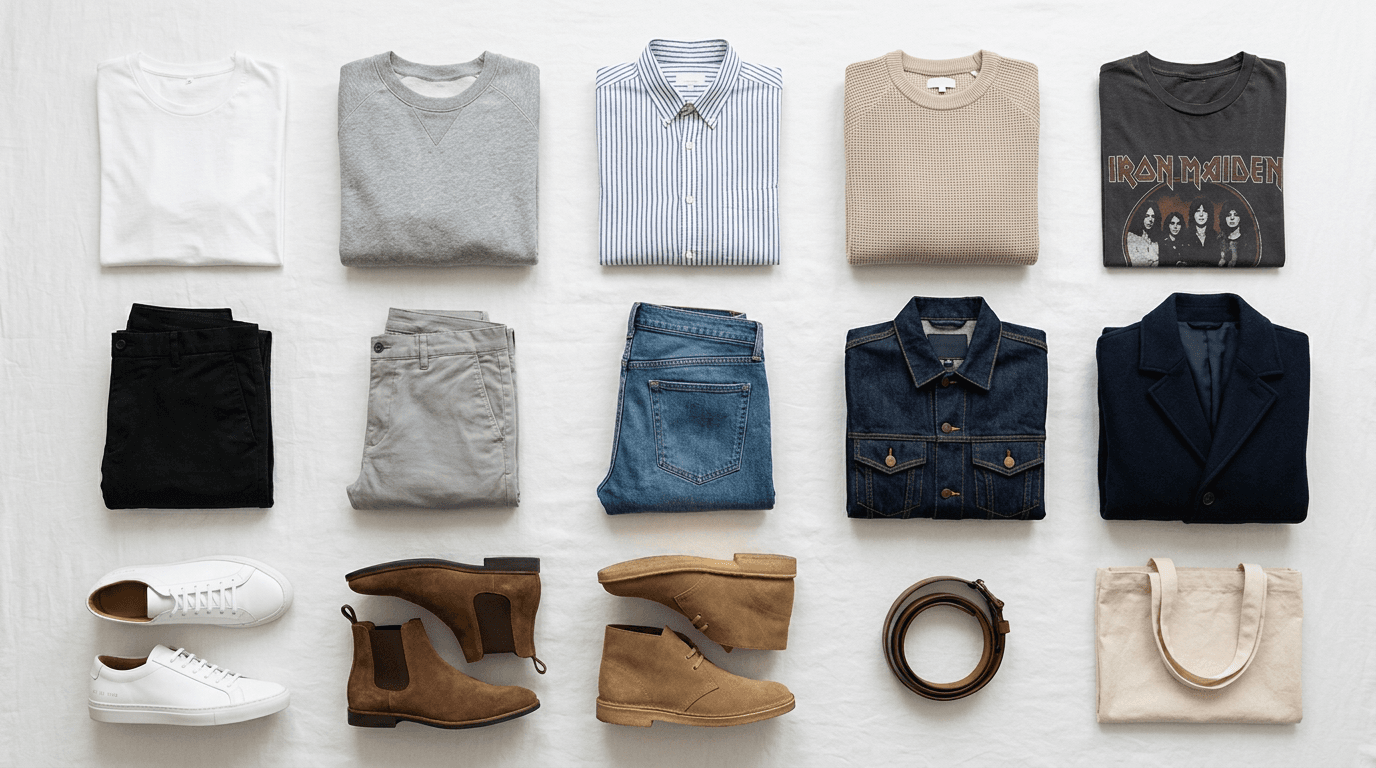
How to Make 15 Pieces Work for 30 Days
Fifteen pieces. Thirty days. No repeating the same outfit twice. Here is exactly how to pick the right fifteen and make them last.
Wardrobe
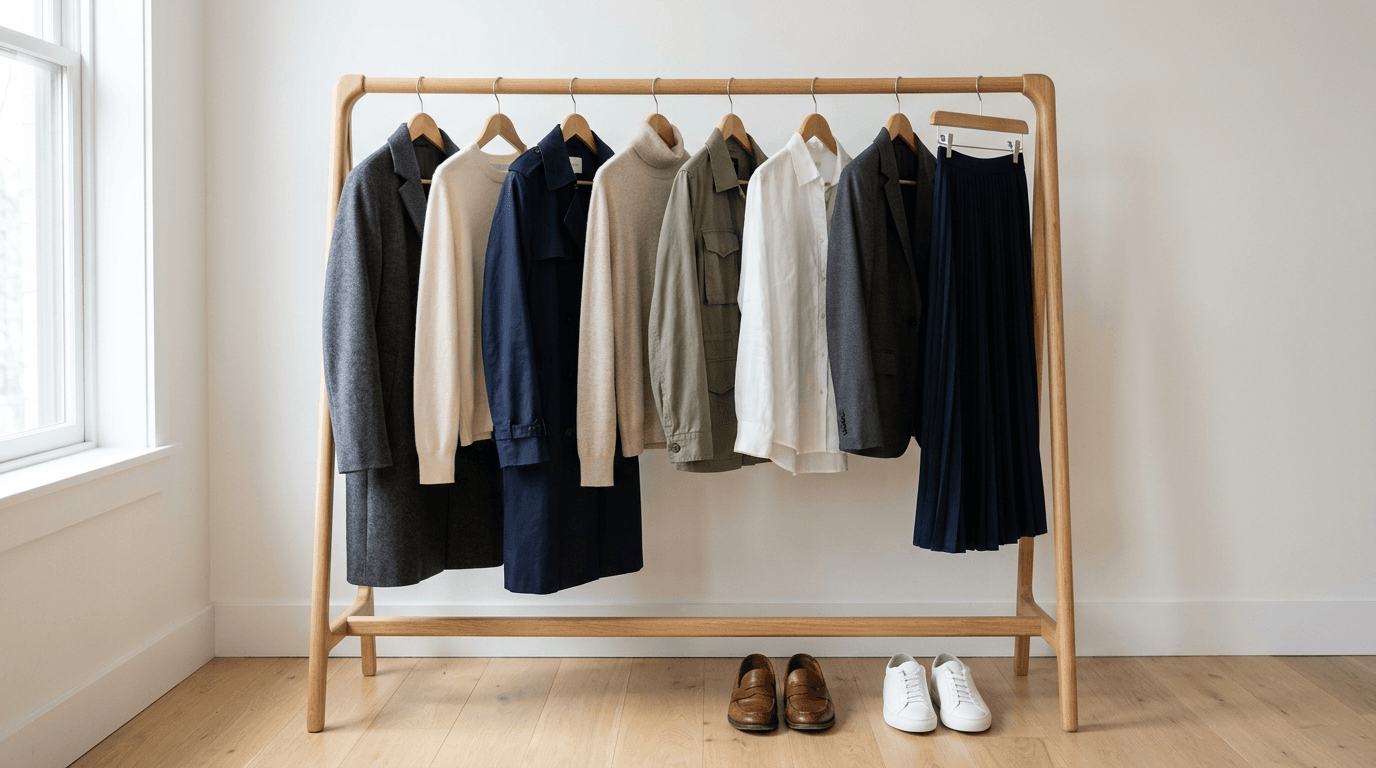
How to Build a Capsule Wardrobe That Actually Works
Most capsule wardrobe guides list the same 30 basics and call it done. Here is a system that starts with your actual life and builds outward from there.