Styling
Common Styling Mistakes That Make Good Clothes Look Cheap
You probably own better clothes than you think. The problem is almost never the garment — it is how you are wearing it.


Here is something I see constantly as a stylist: someone shows up wearing genuinely nice clothes — good fabrics, good brands, pieces that should work — and the whole outfit still looks like it cost half of what it did. The clothes are not the problem. The way they are worn is.
Most styling mistakes are invisible to the person making them. You get used to the way things look on you, you stop noticing the details, and you assume the issue is that you need better clothes. You do not. You need to stop doing about three or four small things that are silently undermining every outfit you put together.

Why Good Clothes Can Still Miss
Expensive does not mean flattering. A beautifully made cashmere sweater that is one size too big looks like a hand-me-down. A perfectly cut blazer with trousers that pool at the ankle looks unfinished. Price gives you better material. It does not automatically give you a better outfit.
The things that make an outfit look considered — the proportion between top and bottom, the way a hem hits the shoe, the balance between fitted and relaxed, the colour temperature of your layers — have nothing to do with the price tag. They are free decisions. And they are the decisions most people skip.
What makes this tricky is that no single mistake looks terrible on its own. It is the accumulation. One small fit issue plus one proportion miss plus one detail oversight equals an outfit that looks "fine" but never looks great. Fix any two of those three and the same clothes suddenly work.
The Fit Mistakes
Shoulders that do not match yours. This is the one thing tailors always check first, and the one thing most people ignore. If the shoulder seam of your jacket, blazer, or structured top sits below your actual shoulder, the entire garment looks borrowed. It does not matter how good the fabric is — a dropped shoulder on a piece that is not designed for it reads as "wrong size" instantly. The shoulder is the frame. If the frame is off, everything else follows.
Trousers that are too long. Fabric pooling at the ankle is probably the single most common thing that makes an outfit look unpolished. It drags the visual line downward, hides your shoes, and makes the bottom half of your body look shapeless. A simple hem — five minutes at a tailor, costs almost nothing — fixes this completely. The hem should just touch the top of the shoe or sit slightly above it. That clean break makes an enormous difference.
Too tight in the wrong places. There is a difference between fitted and tight. Fitted follows your body. Tight pulls against it — you see fabric strain lines, buttons gapping, or the outline of underwear through trousers. None of these are about body shape. They are about the garment not being the right size. Going up one size and having it taken in where needed almost always looks more expensive than wearing a smaller size that visibly struggles.
The Proportion Mistakes
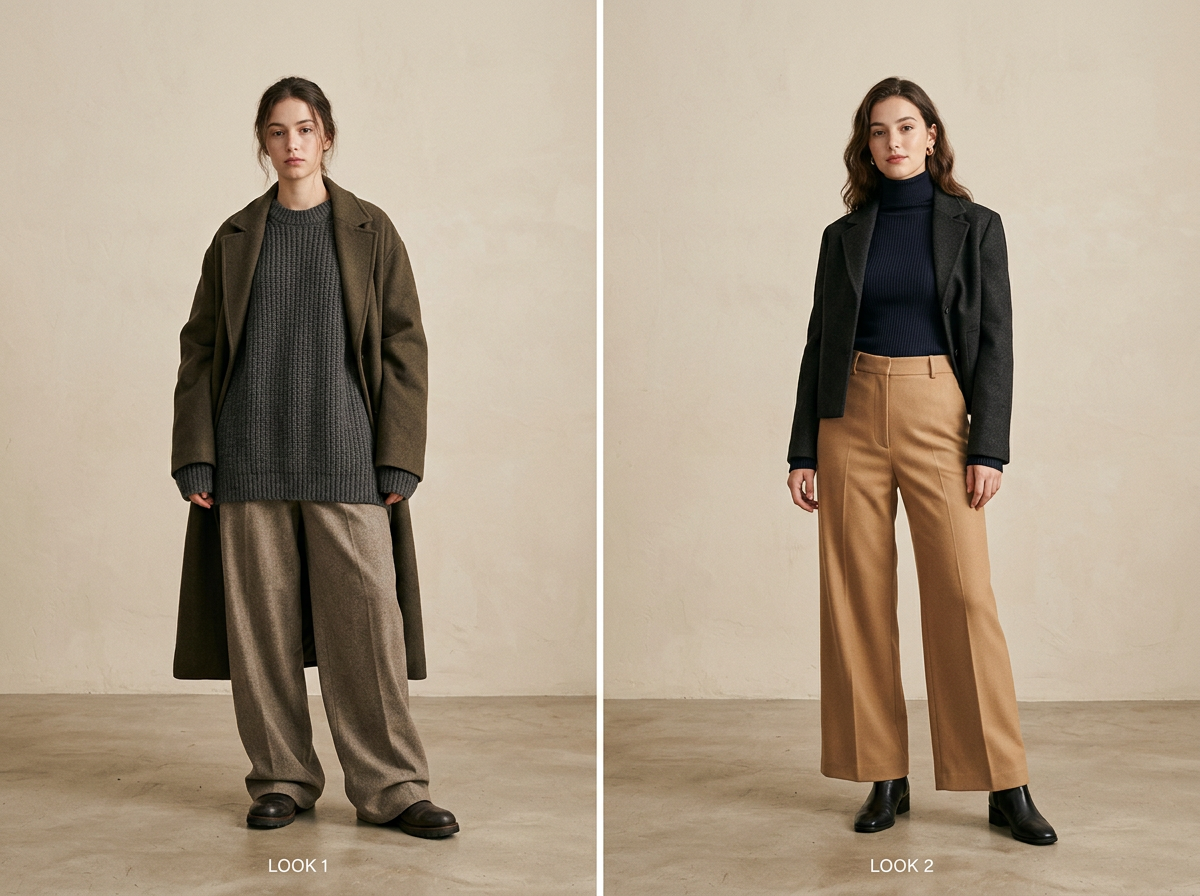
Volume everywhere. An oversized top with oversized trousers and a big jacket on top creates a shapeless column. You need at least one fitted element to anchor the outfit. A slim trouser with a relaxed sweater. A structured jacket over wide-leg pants. The contrast between volume and fit is what creates shape. All volume reads as "I gave up on proportion," and that is never a good look regardless of budget.
Ignoring the waist. This does not mean you need a cinched waist or a belt on everything. It means the outfit needs a reference point somewhere around the midsection — a tuck, a half-tuck, a cropped jacket that stops at the waist, a top that naturally defines where the torso ends and the legs begin. Without any waist indication, even a great outfit can look boxy and unflattering from the side.
Hemlines creating a visual cut at the widest point. This is one of those rules stylists know intuitively but rarely explain. If a top or jacket ends exactly at the widest part of your hips, it draws attention there like a highlighter. Move the hemline slightly above or below that point — either a cropped jacket that stops above the hip, or a longer piece that falls past it — and the silhouette looks immediately smoother. Same body, same garment, just a different hem position.
The Detail Mistakes
Wrinkled clothes that are not meant to wrinkle. Linen wrinkles and that is fine — it is part of the fabric's character. Cotton poplin, viscose, and polyester blends do not wrinkle charmingly. They just look like you pulled them from a pile. A quick steam or iron on the pieces that need it takes five minutes and makes the whole outfit look like it belongs to someone who pays attention. Nobody notices pressed clothes. Everyone notices wrinkled ones.
Mismatched formality levels. A silk blouse with beat-up trainers. A tailored blazer over gym leggings. Sometimes this contrast works as a deliberate styling choice — but most of the time it looks like you got dressed in two different moods. The pieces do not need to be the same level of formality, but they need to feel like they were chosen together. If one piece is clearly three levels more dressed-up than the rest, the outfit reads as confused rather than curated.
Visible undergarments. Bra straps showing under a sleeveless top. The outline of underwear visible through light-coloured trousers. A white bra under a sheer blouse. These are small things, but they pull the entire outfit down. The fix is usually just choosing the right undergarment for the outfit — nude tones under light fabrics, seamless cuts under fitted trousers, strapless options for sleeveless pieces. It is one of the least glamorous parts of getting dressed and one of the most impactful.
Neglected shoes. You can wear the most beautifully put-together outfit in the world, and if your shoes are scuffed, dirty, or visually out of place, people notice. Shoes are the first thing many people look at — and the last thing most people maintain. A quick clean, fresh laces on sneakers, or polished leather on dress shoes costs nothing and instantly elevates the entire outfit. Think of shoes as the full stop at the end of a sentence. A bad one ruins the whole thing.
The Quick Fixes That Change Everything
Get three things tailored. Just three. Your most-worn trousers, your favourite blazer or jacket, and one pair of jeans. The cost is minimal and the difference is disproportionate. A garment that fits your body precisely looks twice as expensive as the same garment in a slightly wrong size.
Learn one tuck. The front tuck — tucking just the front of your shirt into your trousers and leaving the back loose — is the single easiest styling move that changes how an outfit sits. It creates a waistline, adds visual interest to an otherwise flat front, and takes literally two seconds. Practice it once and you will use it every day.
Match your metals. If your belt buckle is silver and your watch is gold and your bag hardware is rose gold, the eye catches all three mismatches and the outfit feels scattered. Pick one metal tone and stick to it across accessories. Silver, gold, or mixed — just keep it consistent. This one detail creates an invisible sense of coordination that people feel even if they cannot articulate it.
Check the back view. Most people get dressed facing the mirror and never look at what the outfit does from behind. The back of an outfit is what everyone else sees most of the time — in meetings, walking ahead of someone, sitting at a desk. Take five seconds to turn around. You will catch untucked labels, bunched fabric, visible underwear lines, and uneven hems that you would have walked out the door with.
Reduce by one. Before you leave the house, look in the mirror and take off one thing. One accessory, one layer, one piece that might be competing. Coco Chanel said this a hundred years ago and it is still the most reliable editing trick in styling. Most people add until the outfit feels complete. The better approach is to subtract until nothing feels unnecessary.
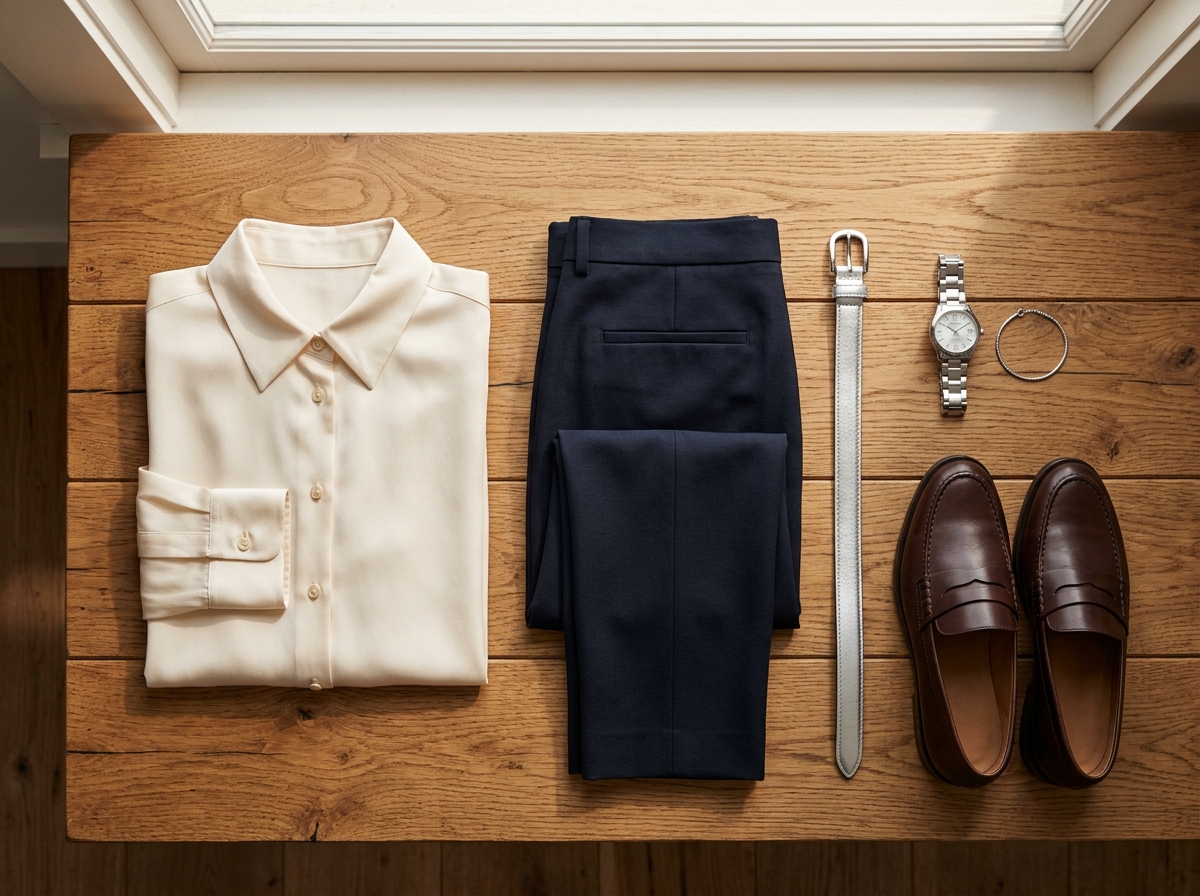
None of these fixes require buying anything new. That is the whole point. You do not have a wardrobe problem. You have a styling problem — and styling problems have answers that are fast, free, and surprisingly simple. The gap between "okay" and "great" is almost never about the clothes themselves. It is about how intentionally you wear them.
Related articles
Occasion Dressing
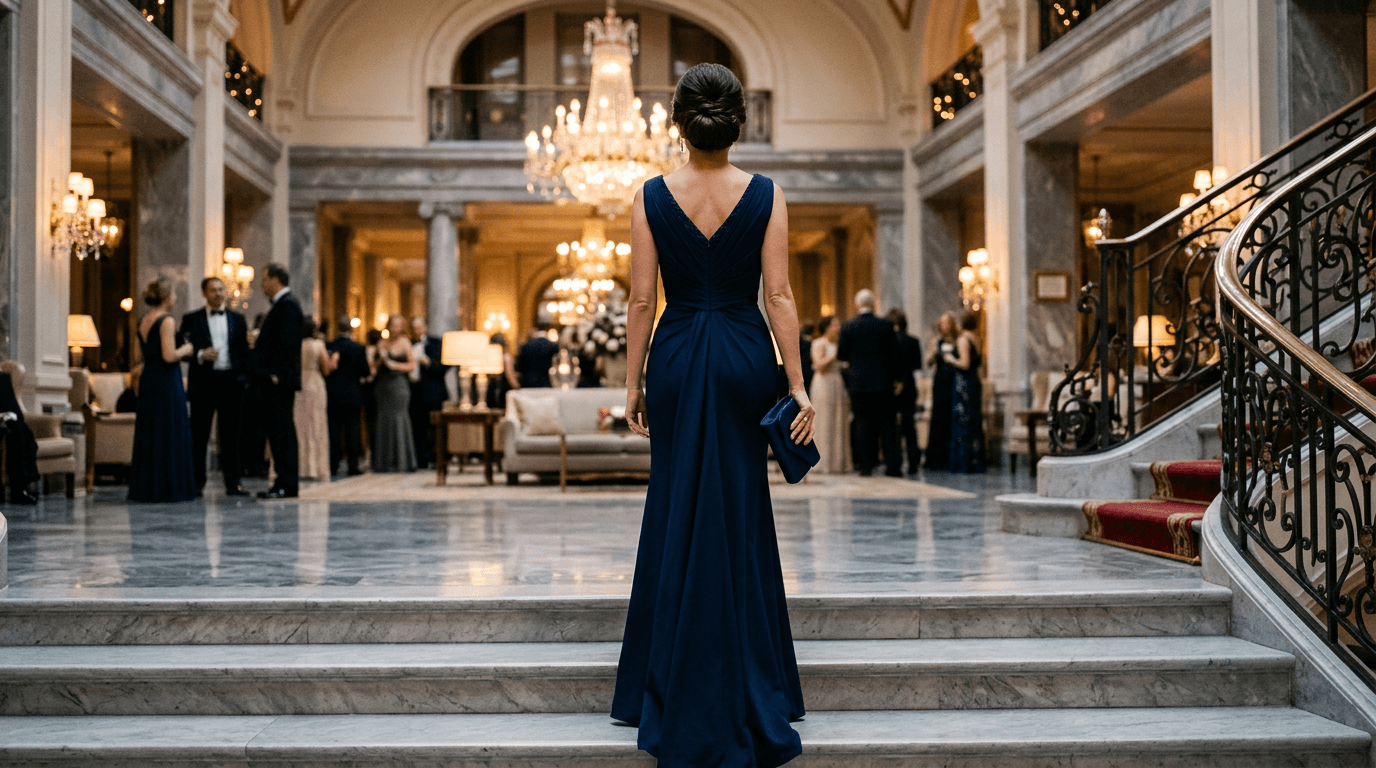
Occasion Dressing Decoded: What Every Dress Code Actually Means
Cocktail attire. Smart casual. Black tie optional. Every invitation carries a dress code, and most of them are misread. Here is the definitive guide to what each one actually requires.
Wardrobe Strategy
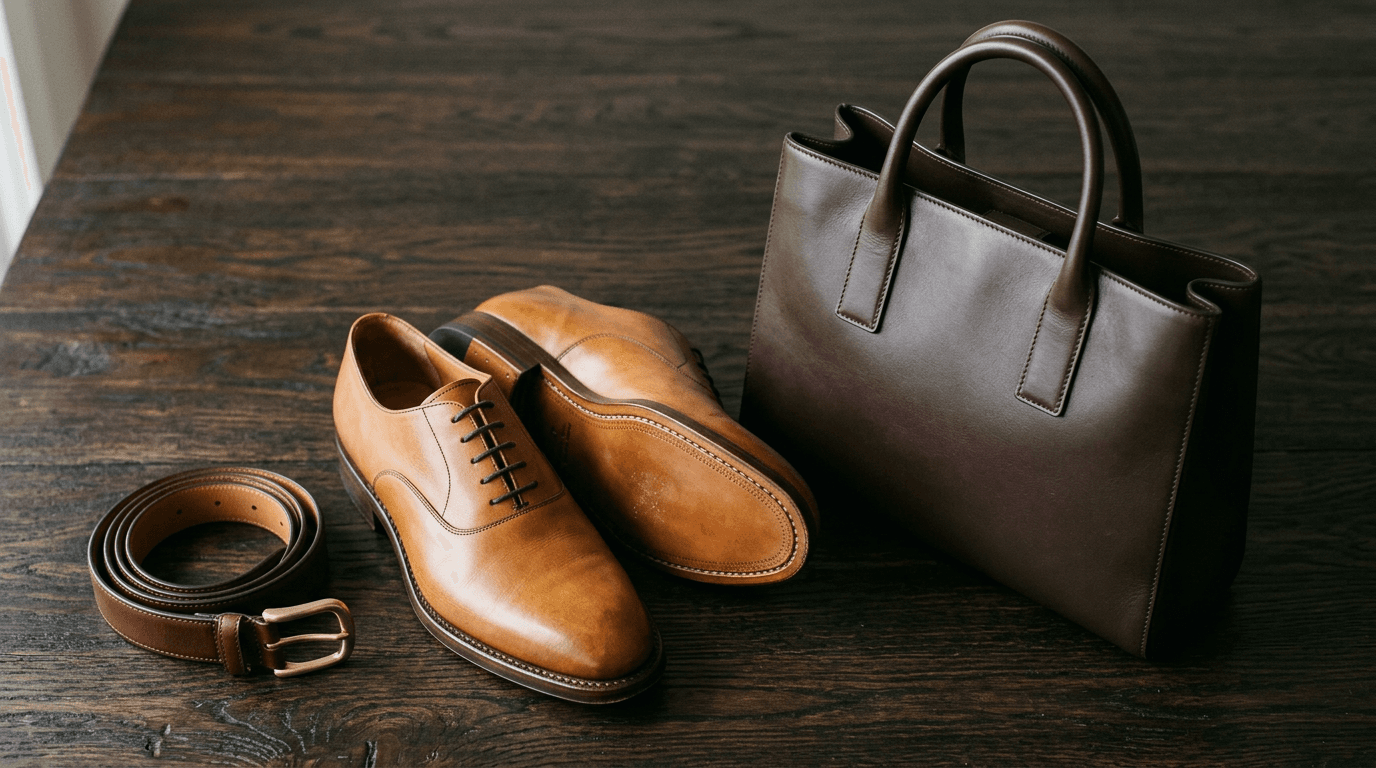
7 Wardrobe Pieces Worth Spending More On (And 5 Where It Doesn't Matter)
Spending more does not always return more. But in certain wardrobe categories, quality is the only thing that works — and the wrong call will cost you twice. This is the analytical breakdown.

Occasion Dressing
Date Night Dressing When You Have No Idea Where to Start
Standing in front of a full wardrobe with nothing to wear is a date-night rite of passage. But the problem is almost never the clothes — it is the brief. Here is how to clarify it and dress with confidence.