Styling
How to Accessorize Any Outfit Without Overdoing It
The difference between a polished outfit and a cluttered one almost always comes down to restraint.

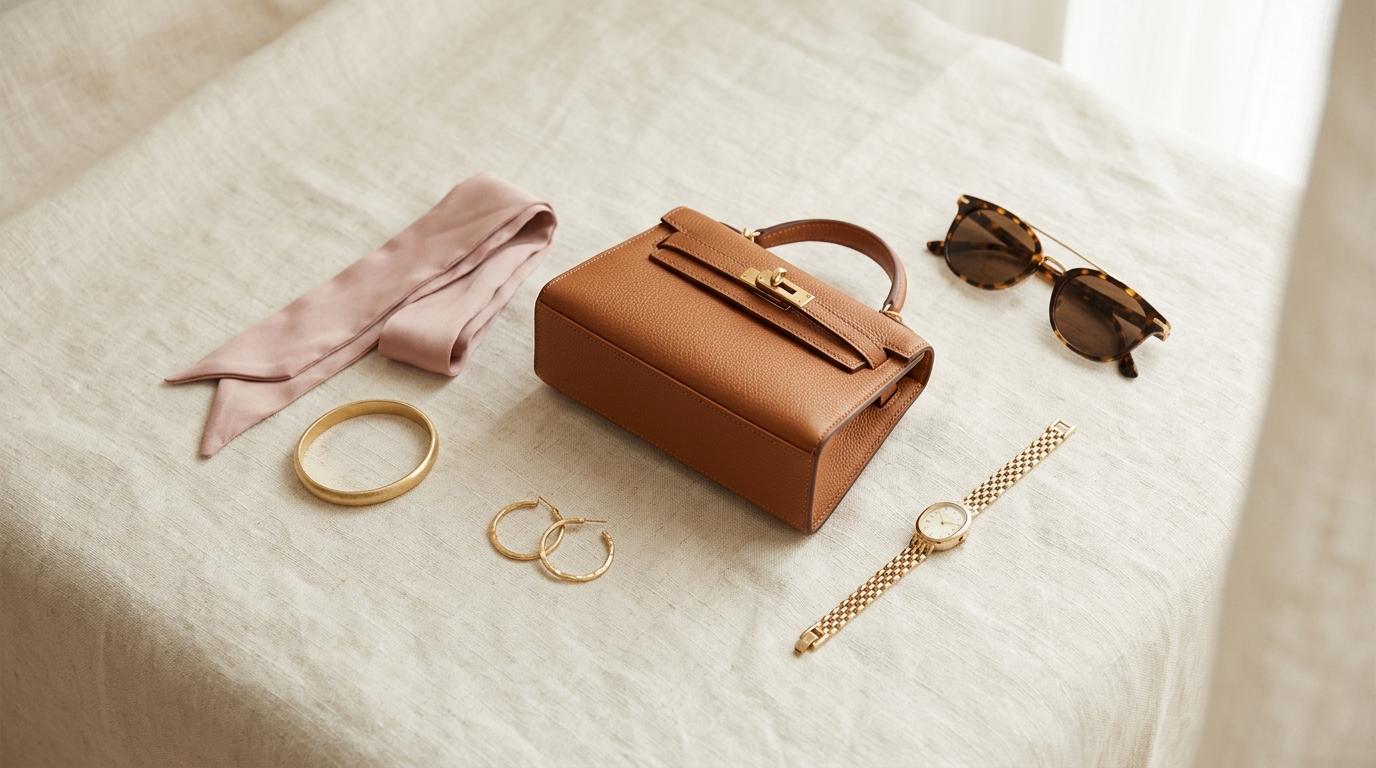
There is a particular kind of outfit disappointment that has nothing to do with the clothes themselves. The silhouette is right. The colors work. And then somewhere between the earrings, the scarf, the belt, and the layered necklaces, the whole thing tips into visual noise. The look that felt almost perfect in the mirror suddenly feels like it is trying too hard.
Accessorizing well is less about what you add and more about knowing when to stop. The most polished outfits rarely have the most accessories — they have the right ones, placed with intention and weighted to the scale of the clothes underneath. That balance is learnable, and once you see it, you cannot unsee it.
Why Accessories Go Wrong
The instinct behind over-accessorizing is usually good: you sense the outfit needs something more. A plain shirt and trousers can feel unfinished, and reaching for a necklace, a bracelet, and a structured bag at the same time feels like solving the problem from three directions. But accessories do not stack additively. Each one changes how the others read.
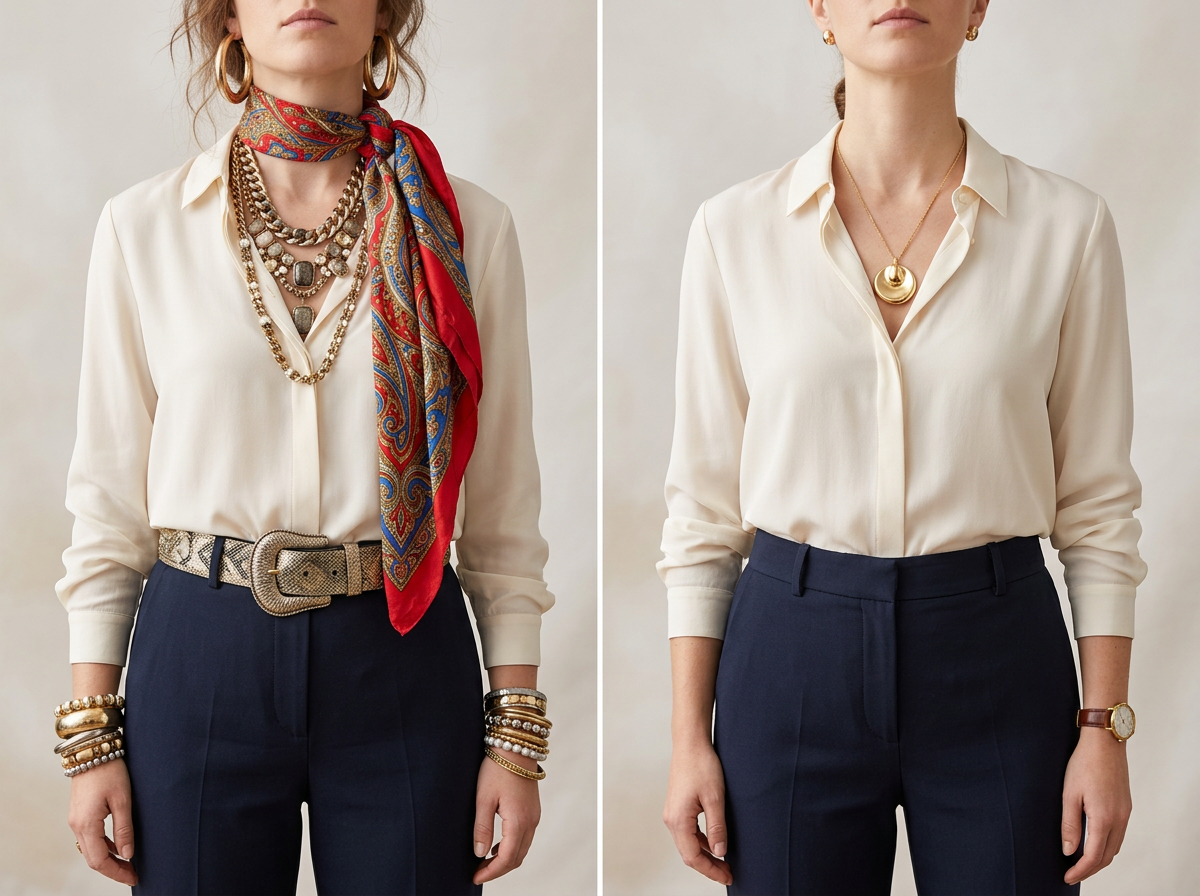
A chunky chain necklace works beautifully on its own against a simple neckline. Add a pair of statement earrings next to it, and the necklace loses its impact because the eye no longer knows where to land. The problem is not either piece individually — it is that they cancel each other out instead of amplifying the outfit.
The second common trap is matching too literally. A gold necklace with gold earrings, a gold bracelet, and a gold-buckle belt creates coordination so tight it reads as costume rather than style. Real polish comes from pieces that share a mood — not from pieces that share a metal.
The One-Statement Rule
The simplest framework that consistently works: choose one accessory to lead, and let everything else recede. This does not mean wearing only one piece. It means only one piece gets to be loud.
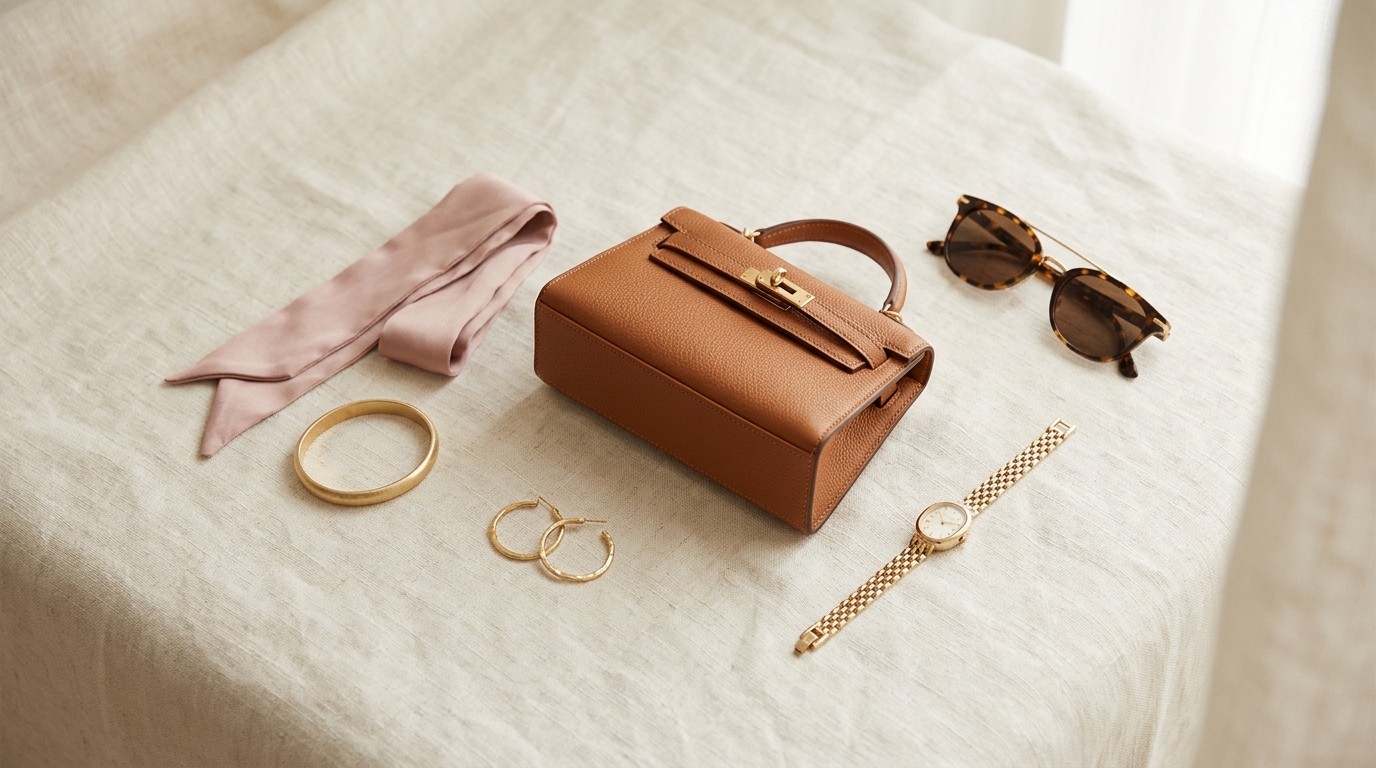
If you are wearing oversized sunglasses with a strong frame shape, the earrings should be small or absent. If a bold cuff bracelet anchors your wrist, skip the stacked rings. If the bag is architectural and textured — say, a woven leather clutch or a structured top-handle — let it speak without competing jewelry pulling focus upward.
The supporting accessories still matter. A thin watch, a subtle ring, small studs — these add refinement without volume. Think of them as the typography of the outfit: they communicate care without demanding attention. The statement piece is the headline; everything else is body text.
How to Identify the Statement Piece
Ask which accessory you would notice first from across a room. That is the one that should stand alone. If nothing stands out, the outfit might benefit from one intentional addition rather than several quiet ones. A single striking earring, a textured belt, or a silk scarf with real drape can shift an entire outfit from adequate to considered.
Matching Accessories to Outfit Weight
The visual weight of your clothes dictates what accessories can hold their own. Heavy fabrics and structured silhouettes need accessories with substance. Lightweight and fluid outfits call for something finer.
Structured and tailored outfits — a blazer, a wool coat, a sharp trouser — pair well with accessories that have presence: a leather-strap watch, a geometric cuff, shoes with visible architecture. Delicate chains and thin bangles disappear against heavy tailoring because they cannot match the visual density of the fabric.
Soft and draped outfits — a silk blouse, a flowing midi skirt, a cashmere wrap — work with lighter accessories: fine-chain necklaces, pearl studs, a slim leather belt. Chunky hardware against soft fabric creates a weight mismatch that makes the accessories look like they belong to a different outfit entirely.
Casual and relaxed outfits — denim, knits, simple cotton — have the widest accessory range. A scarf adds warmth and texture. A crossbody bag keeps the silhouette casual. The main risk here is under-accessorizing to the point where the outfit reads as incomplete. Even a watch and one ring change the impression from "did not think about it" to "chose this deliberately."
Common Accessorizing Mistakes
Layering necklaces without considering the neckline. A crew neck, a V-neck, and an open collar all create different frames. Two layered chains against a high crew neck crowd the space. The same chains against an open button-down have room to breathe. Match the necklace length and layering density to the opening the neckline provides.
Treating a bag as separate from the outfit. Your bag is the largest accessory you carry. Its color, texture, and shape interact with the rest of the look whether you plan for it or not. A structured black bag with a flowy bohemian dress creates dissonance. A soft suede crossbody with sharp tailoring feels mismatched. Consider the bag part of the outfit equation — not a purely practical afterthought.
Wearing everything at the same scale. If every accessory is small and delicate, the effect is invisible. If every piece is bold, the effect is chaotic. The most visually satisfying combinations mix scales: a substantial watch with a fine chain. A wide belt with small earrings. One larger piece grounds the smaller ones and gives the eye a resting point.
Ignoring how accessories sound and move. This matters more than most people realize. Bangles that clatter against each other, a pendant that swings with every step, earrings that catch light and flash — these create a sensory presence that goes beyond the visual. If you are dressing for a quiet dinner or a professional setting, accessories that move and sound draw attention in ways you may not intend. Movement is a form of volume.
A Finishing-Touch Checklist
Before leaving, run through this quick mental audit:
- Count your focal points. If more than one accessory demands attention, remove the weakest one.
- Check the weight match. Heavy outfit, substantial accessories. Light outfit, fine accessories. Mixed weights feel unresolved.
- Test the neckline. Is there enough visual space for what you are layering? If the neckline is high, keep the neck clear and let wrists or ears carry the interest instead.
- Look at the bag. Does it belong to this outfit, or is it just the one you grabbed? The bag sets the tone for formality more than most people realize.
- Step back and squint. Blurring the details reveals the overall balance. If one area of the body looks heavier than the rest, redistribute or remove.
Accessorizing is where personal style becomes visible. The clothes create the foundation, but the finishing details — the watch you chose, the way a scarf is knotted, whether the earrings are studs or drops — signal intention. When those details are quiet and deliberate, the whole outfit rises. When they compete, the outfit works against itself.
If you want to test how different accessories change the feel of an outfit you are building, try previewing the combinations in Loryve before committing — seeing the full look assembled helps you catch imbalance before it leaves the house.
Related articles
Occasion Dressing
Occasion Dressing Decoded: What Every Dress Code Actually Means
Cocktail attire. Smart casual. Black tie optional. Every invitation carries a dress code, and most of them are misread. Here is the definitive guide to what each one actually requires.
Wardrobe Strategy
7 Wardrobe Pieces Worth Spending More On (And 5 Where It Doesn't Matter)
Spending more does not always return more. But in certain wardrobe categories, quality is the only thing that works — and the wrong call will cost you twice. This is the analytical breakdown.

Occasion Dressing
Date Night Dressing When You Have No Idea Where to Start
Standing in front of a full wardrobe with nothing to wear is a date-night rite of passage. But the problem is almost never the clothes — it is the brief. Here is how to clarify it and dress with confidence.