Styling
How to Mix Patterns Without Clashing
The logic behind pattern pairing is simpler than you think. Once you understand scale, contrast, and anchoring, the combinations become obvious.

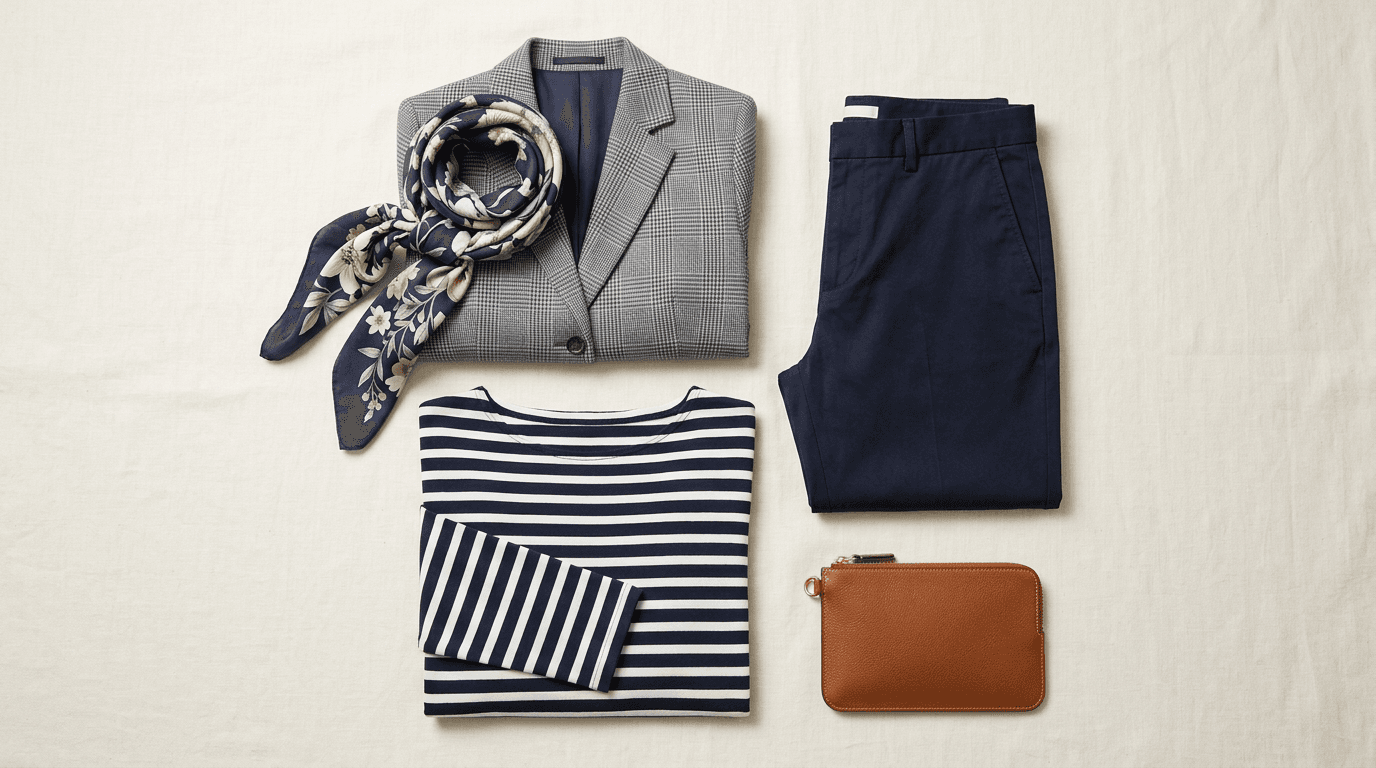
Most people avoid mixing patterns for one reason: they tried it once, it looked wrong, and they never tried again. The outfit felt chaotic, like two garments fighting for attention, and the safest response was to retreat to solids forever.
But pattern mixing is not a creative gamble. It follows predictable rules — the same rules that make a pinstripe suit with a micro-dot tie look sharp, or a Breton stripe tee with a plaid blazer look intentional rather than accidental. The difference between a clashing outfit and a well-paired one comes down to three variables: scale, contrast, and an anchor. Once you see the system, you stop guessing.
Why Most Pattern Mixing Fails
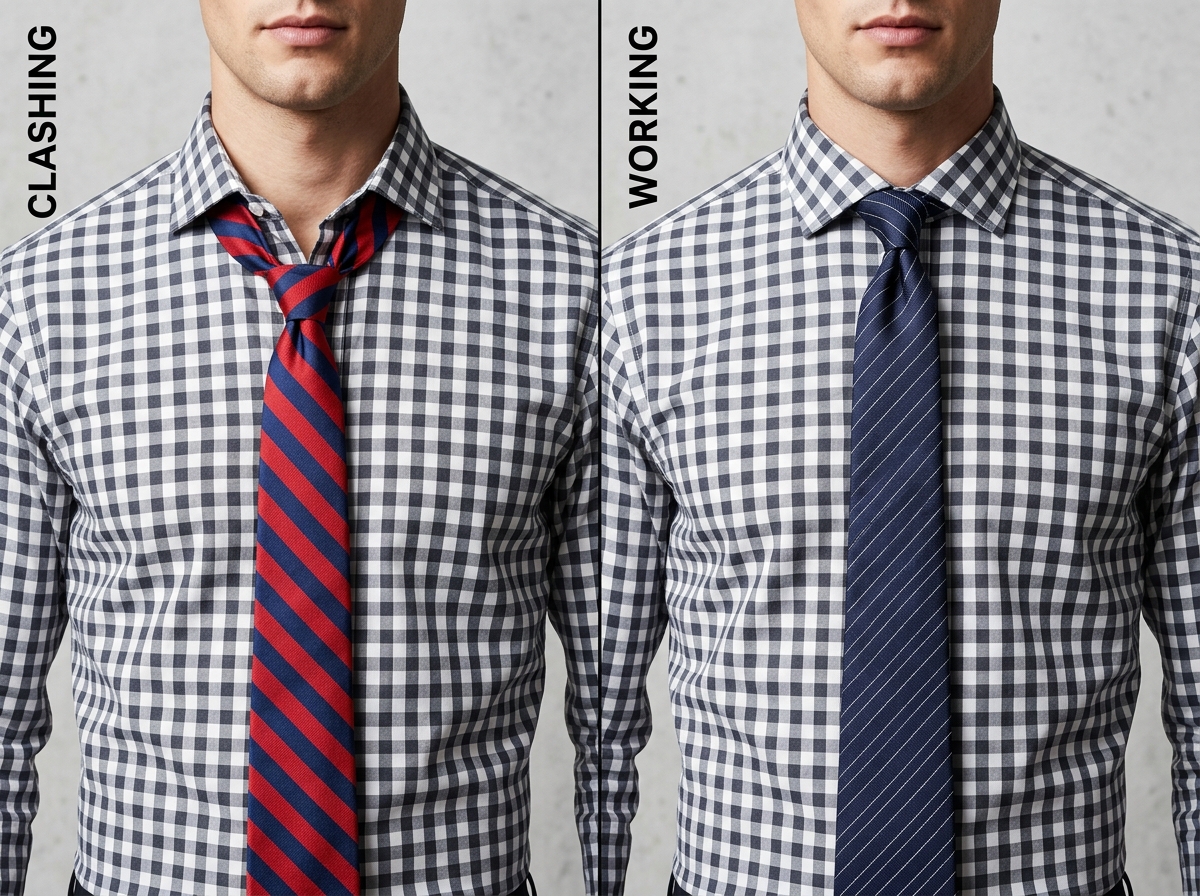
The most common failure mode is competing scale. Two patterns of similar size create visual noise — your eye cannot settle on either one, so the outfit reads as cluttered rather than styled. A medium-check shirt with a medium-stripe tie is the classic example. Neither pattern dominates, and the result is a draw that nobody wins.
The second failure is colour collision. Patterns that share no common colour create disconnection. A navy geometric print next to a warm rust floral feels like two separate outfits glued together. The patterns do not need to be the same colour, but they need at least one shared tone acting as a visual bridge.
The third failure is density overload — too many patterns at once, with no solid pieces to give the eye a resting point. Even well-paired patterns need breathing room. Without it, the outfit feels maximalist in the wrong way: busy rather than deliberate.
The Three Rules of Pattern Pairing
Rule 1: Vary the scale. Pair a large-scale pattern with a small-scale one. A wide stripe with a micro check. A bold floral with a fine pinstripe. A large houndstooth with a thin polka dot. When the scales are clearly different, the eye assigns each pattern its own visual lane — one leads, the other supports, and the combination feels layered rather than loud.
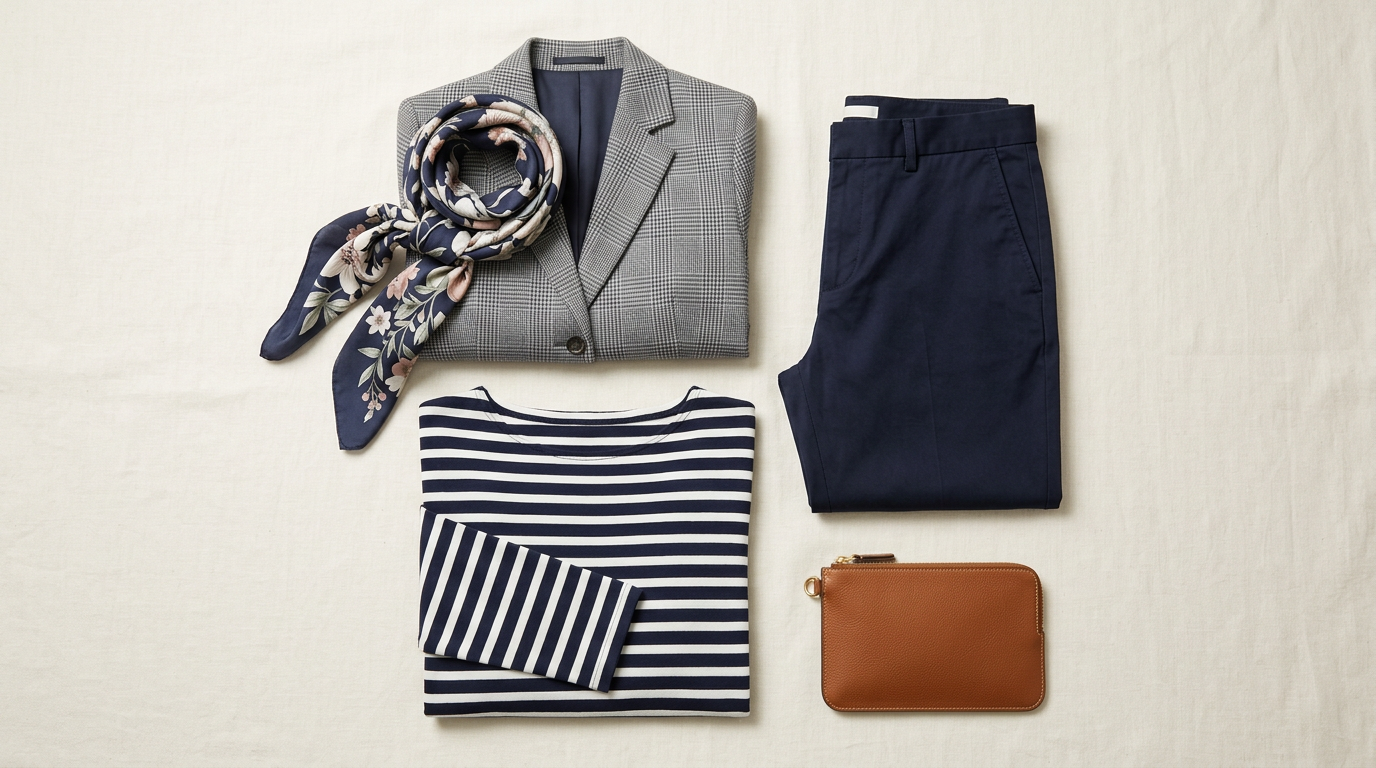
Rule 2: Share a colour. The easiest way to make two patterns coexist is to connect them through a common colour. It does not have to be the dominant colour in both — even a secondary tone works. A navy-and-white stripe pairs naturally with a floral that has navy in its background. A grey windowpane check next to a charcoal geometric print shares enough tonal overlap to feel cohesive.
Rule 3: Anchor with a solid. Two patterns need a referee. A solid- coloured piece between them — trousers, a belt, a bag, shoes — creates a visual pause that lets each pattern breathe. The anchor should pick up one of the shared colours from the patterns. Think of it as the connector: it tells the eye these two prints belong in the same outfit.
These three rules work together. Vary the scale so the patterns do not compete. Share a colour so they feel connected. Anchor with a solid so the eye can rest. Apply all three and the combination looks intentional regardless of which specific patterns you choose.
Combinations That Work Every Time
Some pattern pairings are so reliable they function as formulas. If you are new to pattern mixing, start here.
Stripes + florals. The geometric rigidity of stripes balances the organic shapes in florals. Use a thin stripe as the supporting pattern and a medium-scale floral as the lead. Keep at least one shared colour between them. This pairing works in every season and at every formality level.
Stripes + polka dots. Two geometric patterns that differ in shape and scale. A wide horizontal stripe with a fine dot, or a pinstripe shirt with a dotted pocket square. The contrast in shape prevents competition, and the simplicity of both patterns keeps the outfit clean.
Checks + stripes. The intersection of horizontal and vertical lines in a check naturally complements a single-direction stripe. Keep the check smaller than the stripe or vice versa — just avoid matching scales. A micro-check blazer over a bold Breton stripe is a textbook example.
Animal print + stripes. This sounds riskier than it is. Animal print functions as a neutral in fashion — its organic, irregular pattern pairs with structured geometrics the same way a solid does. A leopard print belt or bag with a striped dress, or a zebra-print shoe with a pinstripe trouser. The key is keeping the animal print as an accent, not the dominant piece.
Plaid + a subtle texture pattern. Herringbone, tweed weave, or a tonal jacquard next to a plaid shirt or scarf. These texture patterns read almost as solids from a distance, which means they anchor the louder plaid without adding visual competition.
Common Mistakes and How to Fix Them
Matching patterns exactly. Wearing the same pattern in two pieces — same stripe width, same check size — creates a uniform effect rather than a styled one. The outfit looks like a matching set you bought together, not a combination you curated. Always vary something: scale, colour density, or pattern direction.
Using too many colours across patterns. If your first pattern has four colours and your second has four different colours, the outfit introduces eight competing tones. Limit the total colour count to three or four across both patterns. The fewer colours in play, the more intentional the combination reads.
Ignoring the rest of the outfit. Pattern mixing does not happen in isolation. The shoes, bag, and accessories matter. If your top half is a stripe-and- floral pairing, your bottom half needs calm — solid trousers, clean shoes, a minimal belt. Overloading the accessories on a pattern-heavy outfit tips the look from styled into costume.
Skipping the mirror test. Pattern pairing that works in theory can still feel off on your body. Proportions, skin tone, and fabric drape all affect how patterns interact in three dimensions. Always check the full look before leaving. If you want to test combinations before committing to them physically, preview pattern pairings in your Loryve wardrobe — and see whether two prints actually work together without trying on six different options.
Start With These Three Experiments
If you have only worn solids until now, going straight to a double-pattern outfit feels like a big jump. These three experiments are designed to be low-risk entry points that build confidence gradually.
Experiment 1: Add one patterned accessory. Take any solid outfit you already trust and add a single patterned piece — a striped scarf, a checked bag, a dotted pocket square. You are not mixing patterns yet; you are introducing one pattern into a safe environment. The accessory does the work while the outfit stays grounded.
Experiment 2: Pair a pattern with a textured solid. A striped shirt with herringbone trousers, or a floral blouse with a ribbed knit cardigan. The texture adds visual interest without registering as a second "pattern," so the combination feels complex but not busy. This is the bridge between single-pattern and double-pattern outfits.
Experiment 3: Try one of the reliable formulas. Pick any combination from the list above — stripes with florals, checks with stripes, dots with stripes — and build a full outfit around it. Use a solid anchor piece. Keep the colour count under four. Take a photo and review it honestly. If it works, you now have a pattern-mixing outfit in your rotation. If something feels off, check the three rules: is the scale varied, is there a shared colour, is there a solid anchor?
Pattern mixing is a skill, and like any skill it improves with practice. The difference between someone who "just has an eye for it" and someone who avoids patterns entirely is usually a handful of deliberate experiments and the confidence that comes from understanding why something works, not just hoping it does.
Related articles
Occasion Dressing
Occasion Dressing Decoded: What Every Dress Code Actually Means
Cocktail attire. Smart casual. Black tie optional. Every invitation carries a dress code, and most of them are misread. Here is the definitive guide to what each one actually requires.
Wardrobe Strategy
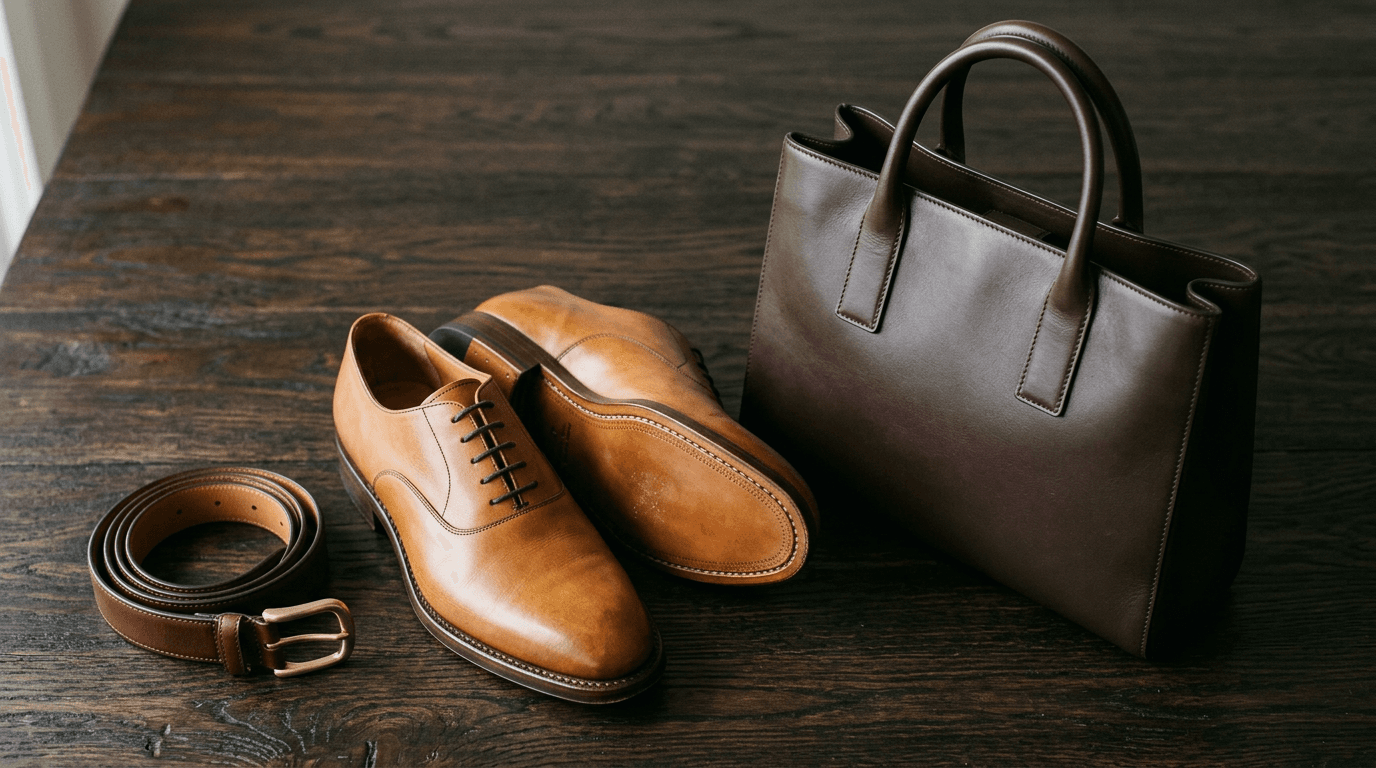
7 Wardrobe Pieces Worth Spending More On (And 5 Where It Doesn't Matter)
Spending more does not always return more. But in certain wardrobe categories, quality is the only thing that works — and the wrong call will cost you twice. This is the analytical breakdown.
Occasion Dressing
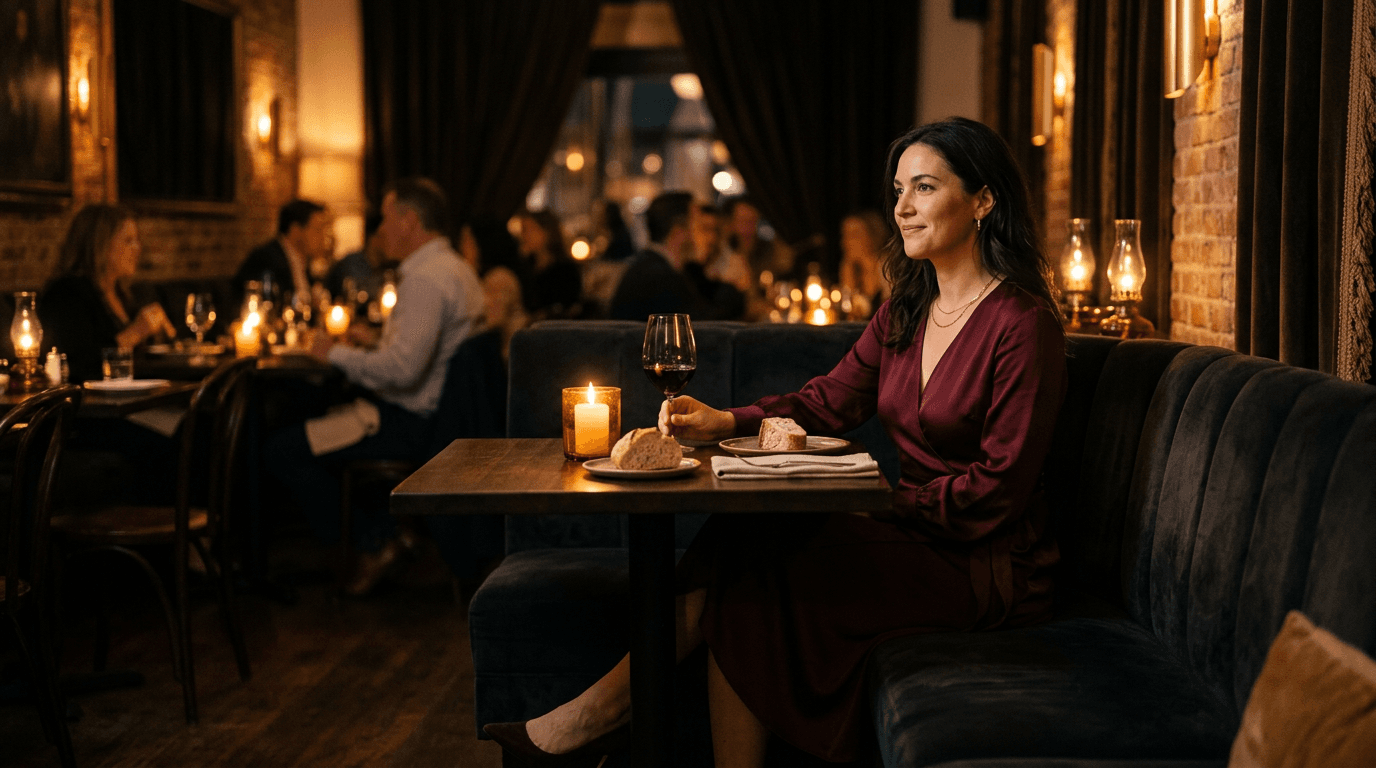
Date Night Dressing When You Have No Idea Where to Start
Standing in front of a full wardrobe with nothing to wear is a date-night rite of passage. But the problem is almost never the clothes — it is the brief. Here is how to clarify it and dress with confidence.