Styling
How to Nail Smart Casual Without Overthinking It
Smart casual is the most misunderstood dress code in fashion. Here is how to decode it, build reliable outfits, and stop second-guessing every time you get dressed.

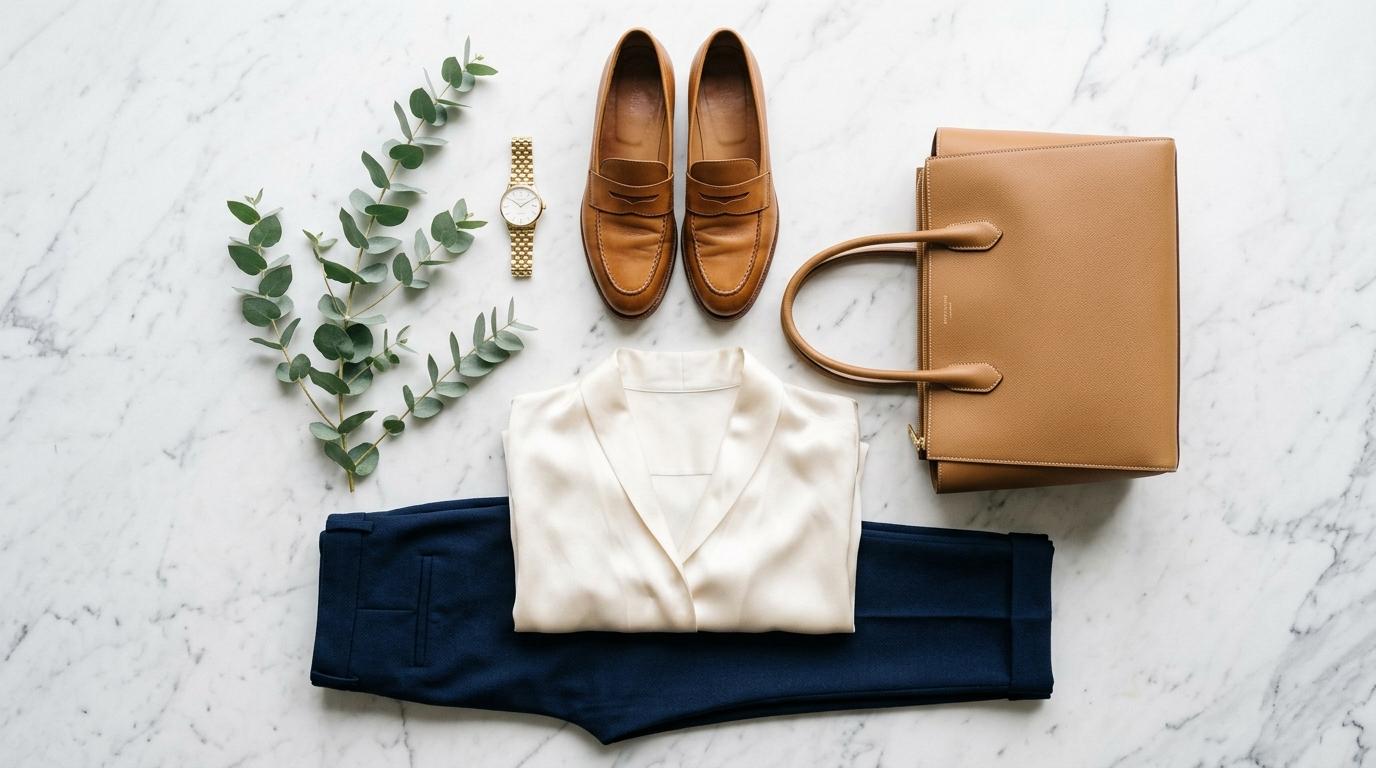
Smart casual is the dress code that launches a thousand wardrobe crises. You have a dinner reservation, a work event, a weekend brunch that feels slightly more important than usual — and the invitation says "smart casual." Two words that somehow manage to mean everything and nothing at the same time.
The confusion is understandable. Formal dressing has rules. Casual dressing has freedom. Smart casual sits in the unmarked territory between them, where a blazer might be too much but a hoodie is definitely not enough. Most people respond by either overdressing and feeling stiff or underdressing and spending the evening quietly aware they got it wrong.
But smart casual is not as ambiguous as it feels. It follows a logic — one built on proportions, material quality, and the careful balance between structured and relaxed pieces. Once you see the formula, you stop guessing.
Why Smart Casual Confuses Everyone
The problem is definitional. Unlike "black tie" or "business formal," smart casual has no universal standard. A tech startup's version of smart casual is jeans and a nice shirt. A private members' club means tailored trousers and leather shoes at minimum. A weekend gallery opening sits somewhere in between. The same label describes wildly different expectations depending on context, industry, and city.
This ambiguity creates anxiety because the stakes feel high. Overdressing signals that you do not understand the room. Underdressing signals that you did not care enough to try. Smart casual asks you to thread a needle — polished enough to show effort, relaxed enough to show ease — and most people simply do not have a mental model for where that needle sits.
The solution is not to memorize rules for every possible venue. It is to understand the underlying principle: smart casual means looking intentional without looking formal. Every successful smart casual outfit achieves this by combining one polished element with one relaxed one, connected by quality materials and clean proportions.
The Anatomy of a Smart Casual Outfit
Every reliable smart casual outfit contains three components: a structure piece, a comfort piece, and a finishing detail. The structure piece brings polish — a blazer, tailored trousers, a crisp shirt, a leather shoe. The comfort piece brings ease — a cotton tee, clean denim, a relaxed knit, a suede loafer. The finishing detail ties them together and signals that the combination was deliberate — a quality belt, a considered bag, a well-chosen watch, or simply immaculate grooming.
The structure piece is your insurance. It is what stops the outfit from sliding into purely casual territory. A blazer over jeans reads differently from jeans alone. Tailored trousers with a simple tee feel different from joggers with the same tee. The structure piece does not need to be formal — it just needs to carry architectural weight. Think sharp shoulders, clean lines, minimal embellishment.
The comfort piece is your personality. This is where you express individual style within the smart casual framework. A cashmere crewneck instead of a dress shirt. A pair of well-fitted dark jeans instead of suit trousers. A silk camisole under a blazer instead of a buttoned blouse. The comfort piece should feel like something you chose, not something the dress code required.
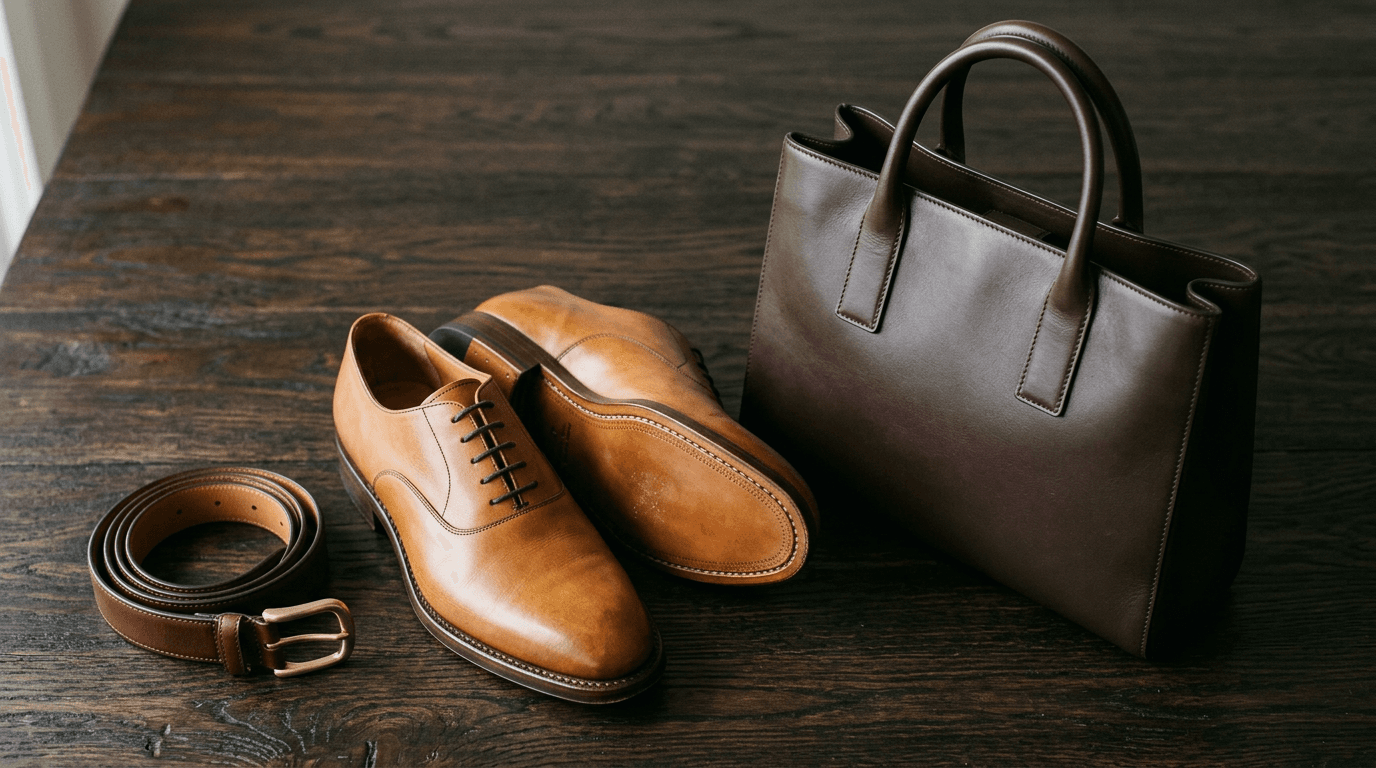
The finishing detail is your credibility. Smart casual lives and dies in the details. Scuffed shoes undermine a perfect blazer. A beautiful outfit with a cheap belt loses its coherence. The finishing detail does not need to be expensive — it needs to be considered. A leather strap watch, a structured tote, a pair of polished loafers. These are the signals that tell the room this person understands how to dress.
Outfits That Always Land
These combinations work across almost every smart casual scenario. They are reliable starting points, not rigid prescriptions — adjust fabrics and colours to suit the season and your own taste.
The blazer and jeans formula. A well-fitted blazer in navy, charcoal, or camel over a clean crew-neck tee or fitted knit, with dark slim jeans and leather loafers or clean minimalist sneakers. This is the most universally safe smart casual outfit because it balances structure (blazer) with ease (jeans) in a proportion that reads polished without trying too hard. Roll the sleeves of the blazer slightly for a more relaxed feel.
The tailored trouser and knit formula. Pressed trousers in a mid- weight fabric — wool, cotton twill, or a crepe blend — with a fine-gauge knit in a complementary tone. Leather belt, clean shoes, minimal jewellery. This combination leans slightly more polished than the blazer-and-jeans option, making it ideal for work events, client dinners, or any setting where you suspect the dress code might trend upward.
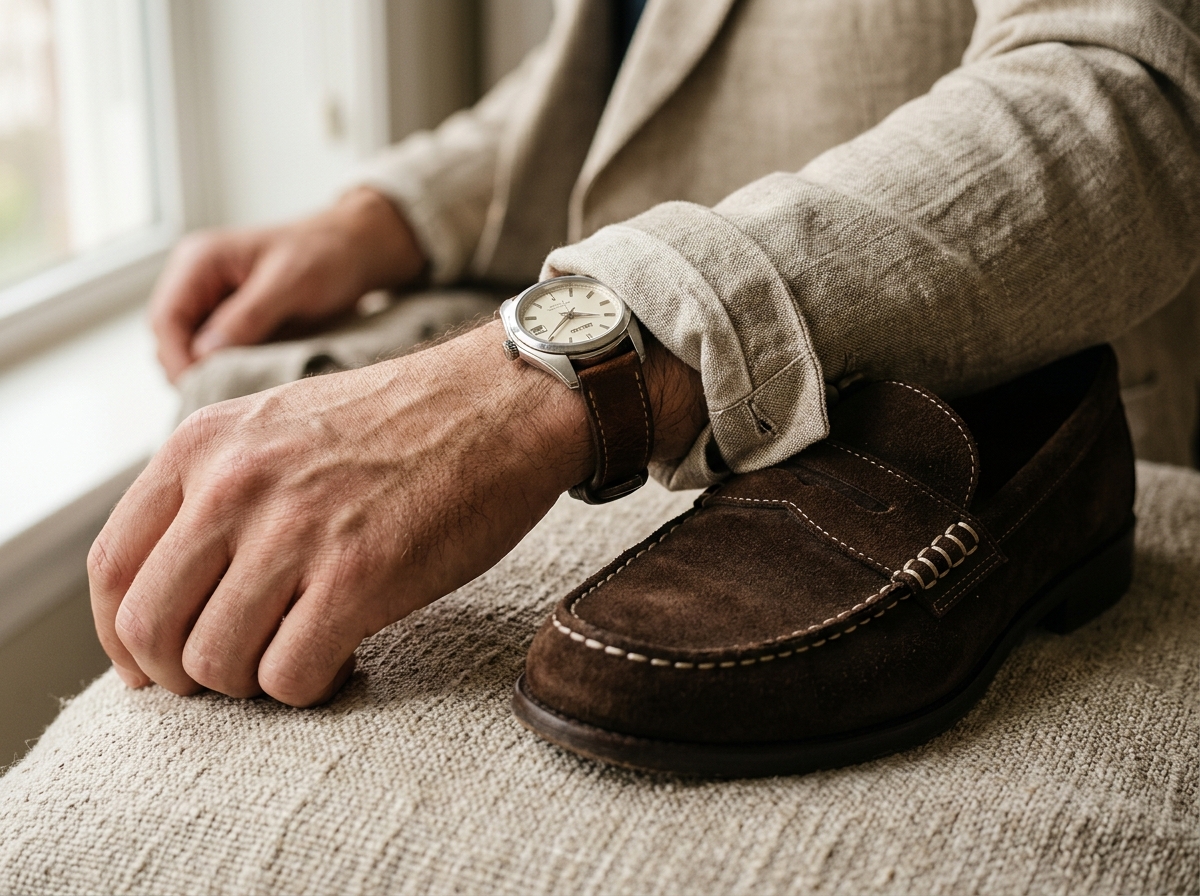
The elevated casual formula. A quality cotton or linen shirt — left untucked if the hem length allows it — with chinos or tailored wide-leg trousers and suede shoes. No tie, no blazer, no belt if the trousers sit well. This is smart casual at its most relaxed boundary: appropriate for weekend brunches, gallery openings, and social dinners where the energy is warm rather than performative.
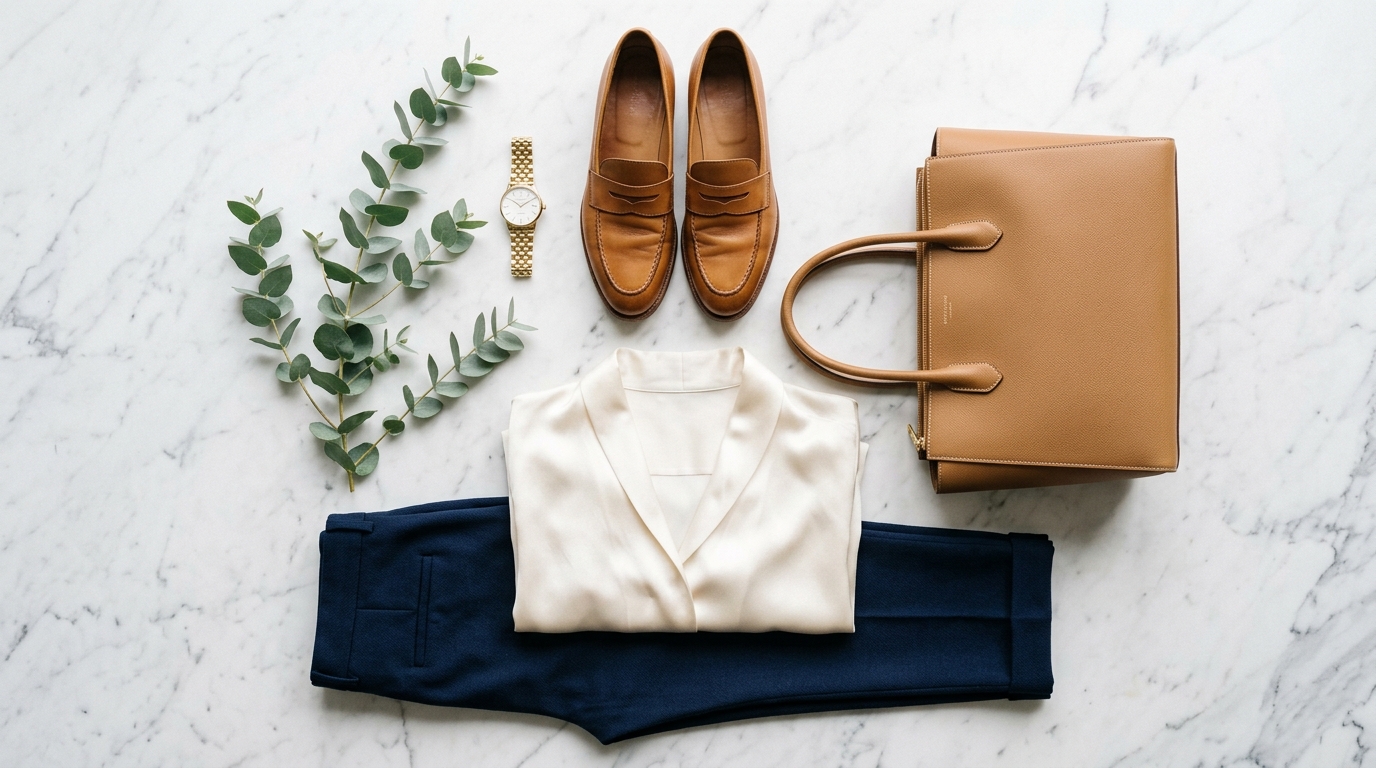
The dress-down formal formula. Take a formal piece — a silk blouse, a structured midi skirt, a pair of slim wool trousers — and pair it with something deliberately casual. Silk blouse with clean jeans and pointed-toe flats. Midi skirt with a relaxed cashmere knit and ankle boots. The contrast between a formal piece and a casual one is what creates the smart casual tension — it tells the viewer you know the rules well enough to break them intentionally.
What Ruins Smart Casual
Treating it as "slightly less formal." Smart casual is not business dress with the tie removed. Wearing a full suit without a tie does not read as smart casual — it reads as incomplete formal wear. The clothes need to be chosen for the space between formal and casual, not subtracted from formal.
Relying on logos and branding. A designer logo does not make an outfit smart casual. A branded hoodie is still a hoodie. A logoed belt with jeans and trainers is still casual. Smart casual is about construction and proportion, not price tags or labels. A well-fitted unbranded blazer will always outperform a heavily branded track jacket in a smart casual setting.
Ignoring fabric quality. The same silhouette in two different fabrics can sit on opposite sides of the dress code line. A crisp cotton shirt reads smart casual. A wrinkled polyester shirt in the same cut reads careless. A merino knit feels considered. A pilling acrylic sweater does not. When the silhouette is right but the outfit still feels wrong, the fabric is almost always the issue.
Forgetting shoes. Shoes are the single most scrutinized element in smart casual. They signal your understanding of the dress code faster than any other piece. Leather loafers, clean minimalist sneakers, suede desert boots, pointed-toe flats — all safe. Worn-out trainers, flip-flops, heavy-soled hiking shoes — all undermine whatever you built above the ankle. If you are unsure whether your outfit is smart casual enough, check the shoes first.
If you want to test whether a combination works before wearing it out, preview outfit pairings in your Loryve wardrobe — useful for those moments when you are not sure if the blazer-and-jeans combination is reading polished or overdone for a specific occasion.
Building Your Smart Casual Rotation
Smart casual becomes effortless when you build a small set of interchangeable pieces that all work within the framework. You do not need a separate wardrobe — you need five to seven pieces that can be combined in multiple configurations.
Start with two bottoms: one pair of well-fitted dark jeans and one pair of tailored trousers in a neutral tone. These two pieces cover the full smart casual spectrum from relaxed to polished.
Add three tops: a fine-gauge knit, a quality cotton or linen shirt, and a clean crew-neck tee in a neutral colour. Each works alone for casual settings and layers under a blazer for more polished ones.
Include one blazer or structured jacket: unlined or half-lined for comfort, in a fabric that does not wrinkle easily. Navy, charcoal, or a muted earth tone. This single piece transforms any of the three tops from casual to smart casual in seconds.
Invest in shoes: one pair of leather loafers or pointed flats and one pair of clean minimalist sneakers. These two options cover every smart casual venue from office events to weekend dinners.
Seven pieces, dozens of combinations, and every one of them lands comfortably inside the smart casual range. The goal is not to have a specific outfit for every occasion — it is to have a system of pieces that can be assembled with confidence regardless of the setting. Build the system once, and the dress code that used to cause wardrobe paralysis becomes the one you dress for fastest.
Related articles
Occasion Dressing
Occasion Dressing Decoded: What Every Dress Code Actually Means
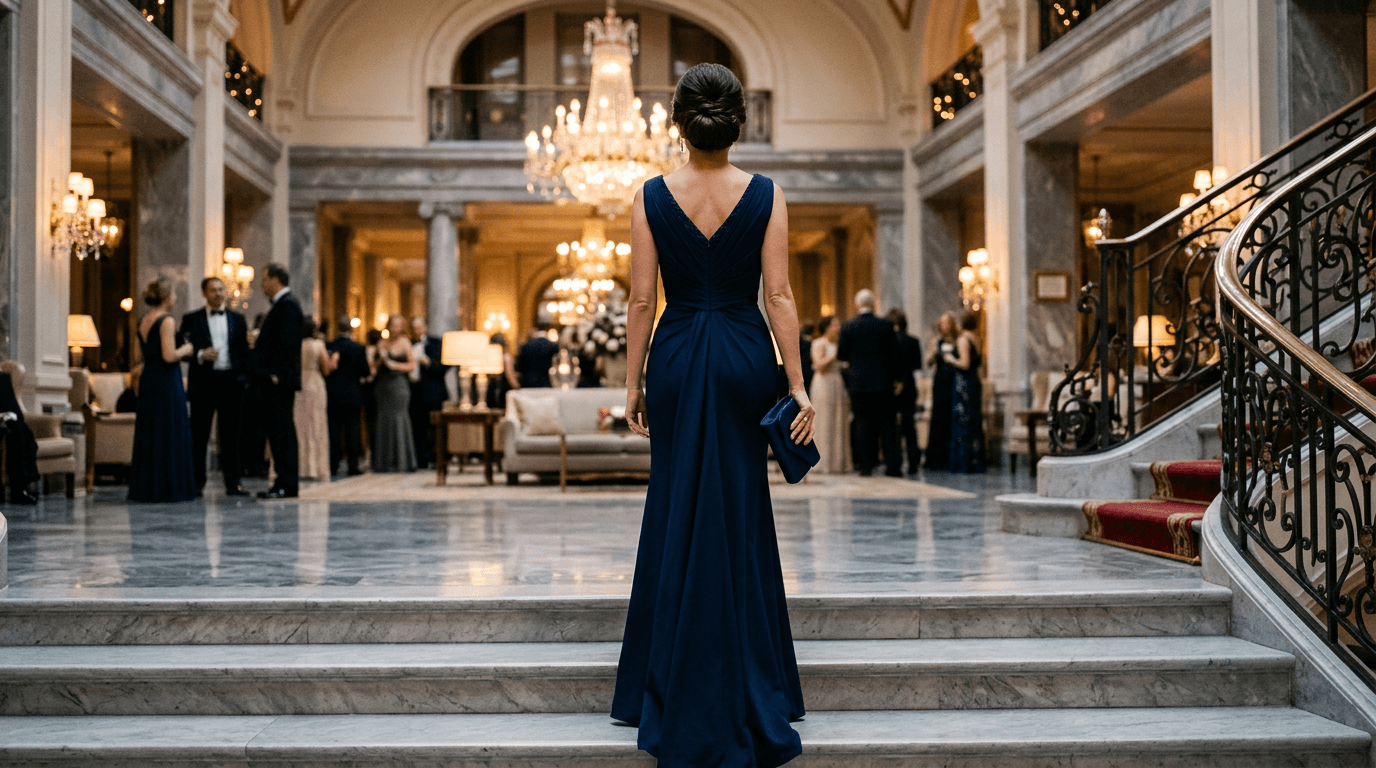
Cocktail attire. Smart casual. Black tie optional. Every invitation carries a dress code, and most of them are misread. Here is the definitive guide to what each one actually requires.
Wardrobe Strategy
7 Wardrobe Pieces Worth Spending More On (And 5 Where It Doesn't Matter)
Spending more does not always return more. But in certain wardrobe categories, quality is the only thing that works — and the wrong call will cost you twice. This is the analytical breakdown.

Occasion Dressing
Date Night Dressing When You Have No Idea Where to Start
Standing in front of a full wardrobe with nothing to wear is a date-night rite of passage. But the problem is almost never the clothes — it is the brief. Here is how to clarify it and dress with confidence.