Styling
How to Wear Oversized Clothes Without Looking Sloppy
Oversized fits hit different when you know where the structure lives. Here is how to get the balance right.
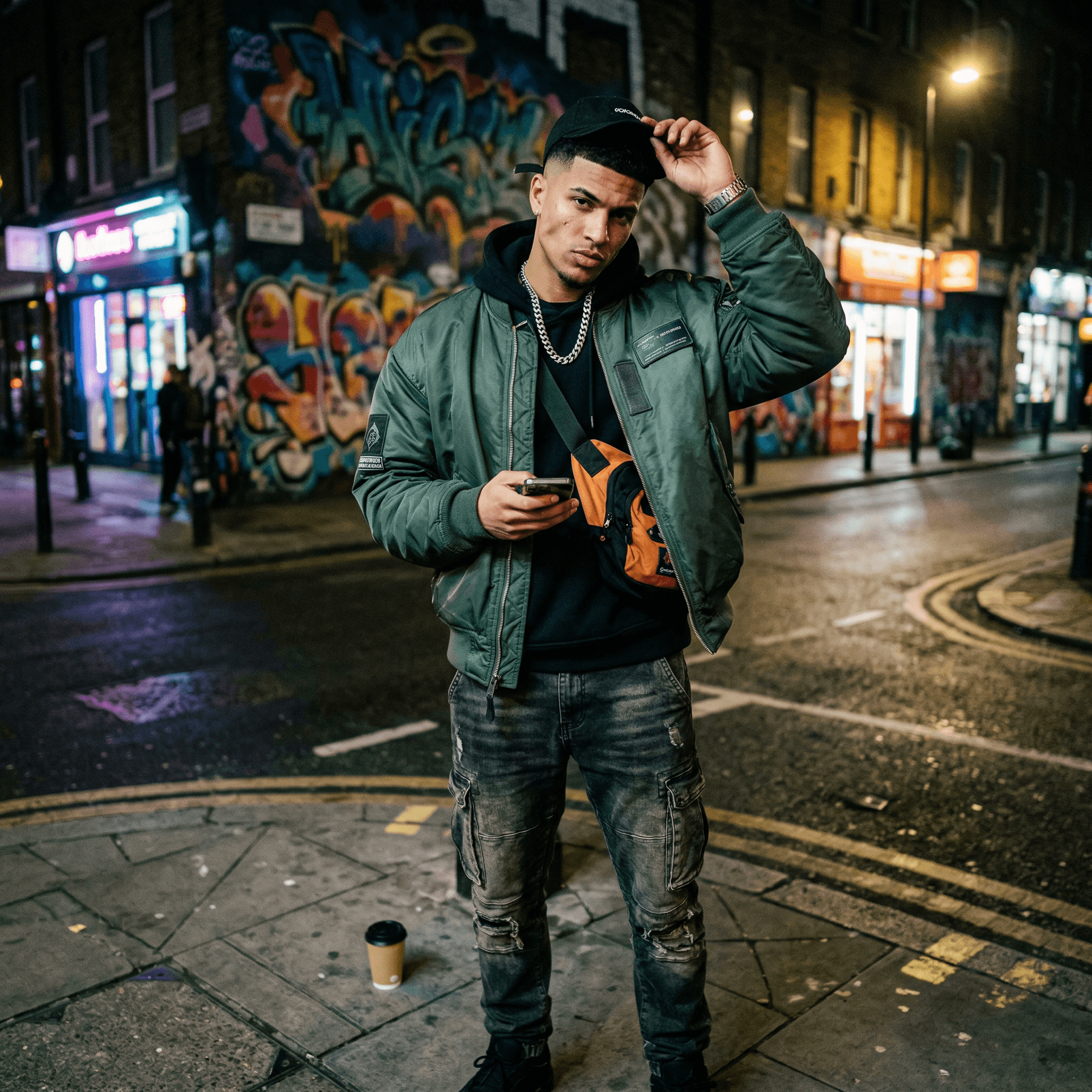
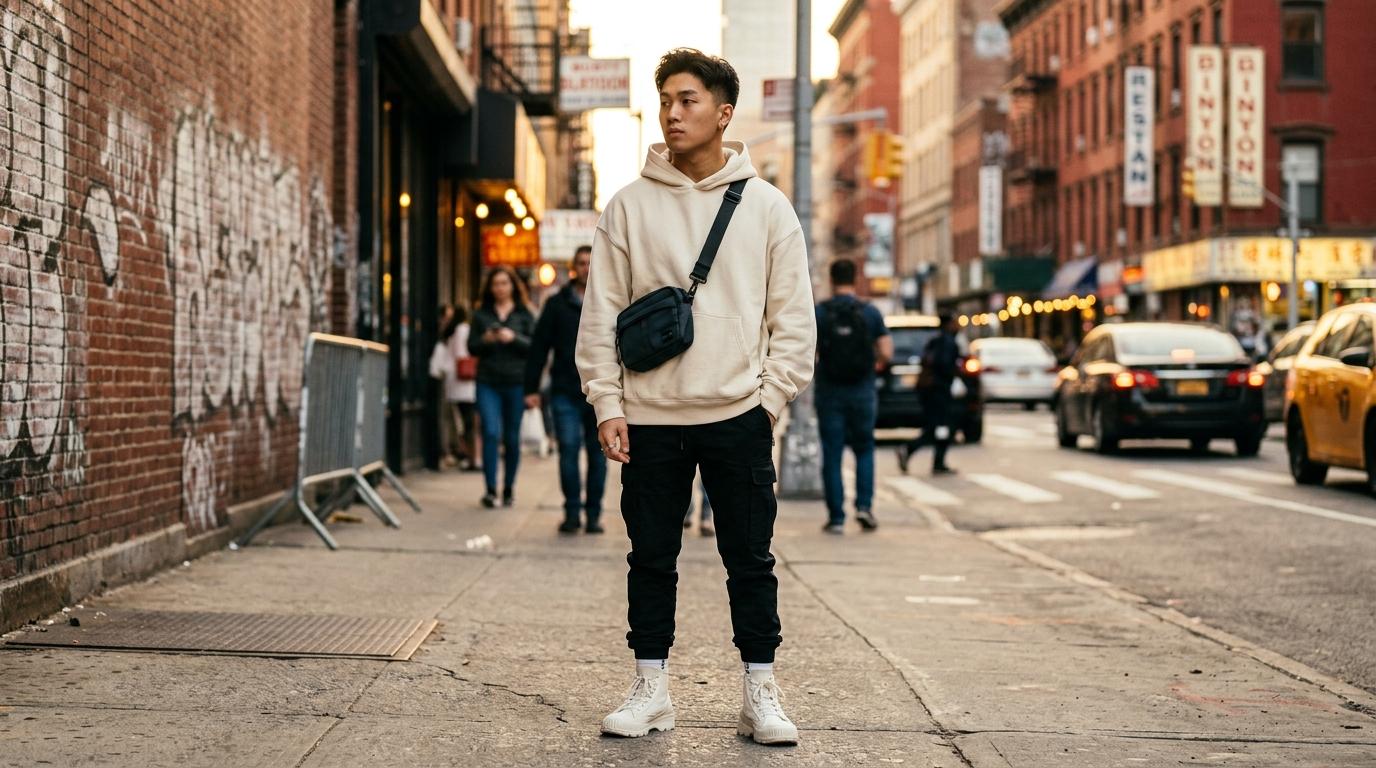
Oversized is not going anywhere. The wide trousers, the dropped shoulders, the boxy tees — they have moved from streetwear niche to default silhouette across basically every brand tier. But here is the thing nobody talks about: most people wearing oversized right now look like they accidentally grabbed the wrong size.
The gap between "intentionally relaxed" and "my clothes do not fit" is smaller than you think, and it comes down to a few decisions that take maybe thirty seconds in front of a mirror. Volume is a styling tool. Shapelessness is not. Once you understand where to add space and where to pull it back, oversized stops being a risk and starts being one of the most versatile moves in your wardrobe.
Why Oversized Goes Wrong
The number one reason oversized outfits look off is that people apply volume everywhere at the same time. Big hoodie, wide trousers, chunky shoes — and suddenly there is no structure left. The eye has nothing to anchor on. You look shorter, wider, and like you are being swallowed by fabric.
The second problem is fabric. A heavy cotton oversized tee drapes and holds its shape. A thin, flimsy oversized tee just hangs and wrinkles. When the material cannot support the volume, the whole thing collapses visually. Cheap oversized pieces tend to fail here because they cut the pattern bigger without upgrading the fabric weight.
And the third — this one is subtle — is ignoring where your body actually exists inside the garment. When shoulders are dropped, hemlines extended, and nothing indicates where your proportions are, the outfit loses its relationship to you. It is wearing you instead of the other way around.
The One-Loose-One-Fitted Rule
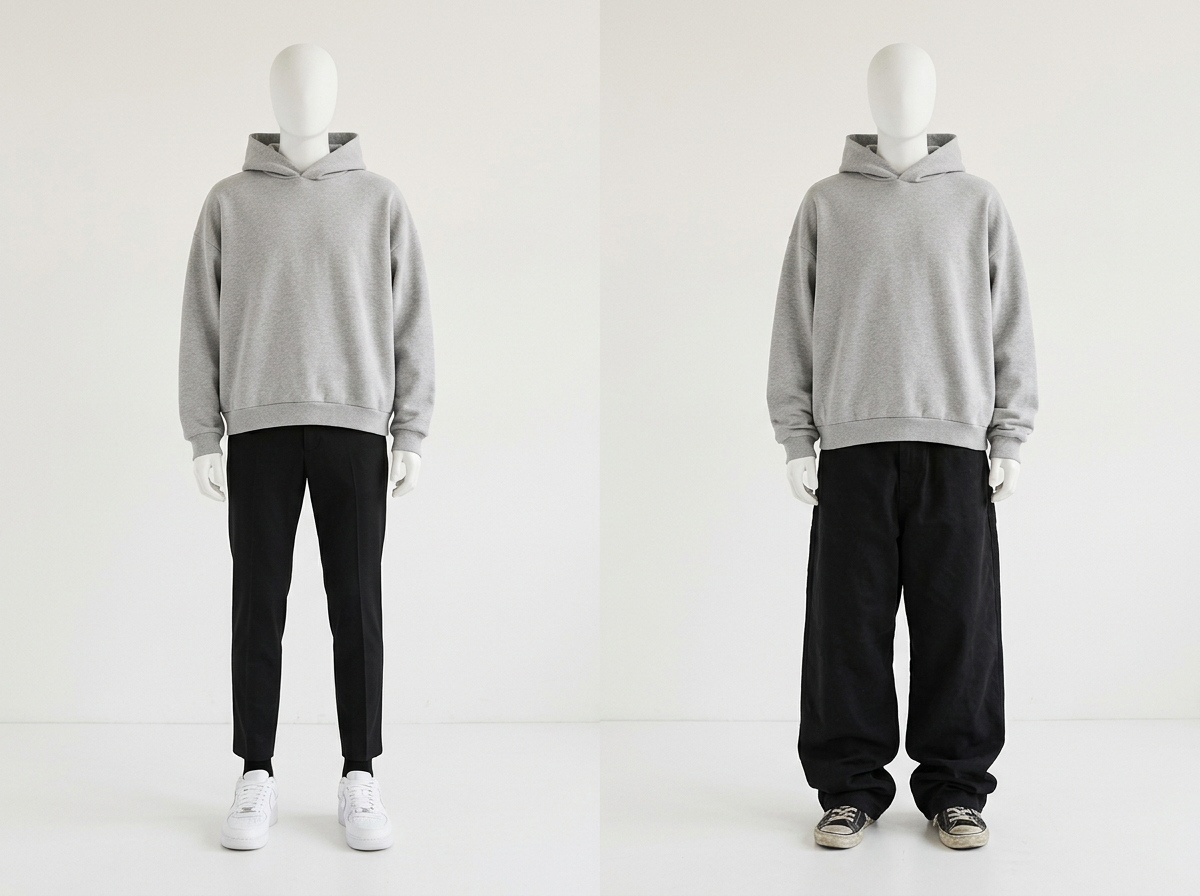
This is the single most reliable principle for oversized styling, and it works across every aesthetic — streetwear, smart casual, minimal, whatever. The rule: when one half of your outfit is loose, the other half should be more fitted. That is it.
Loose Top, Fitted Bottom
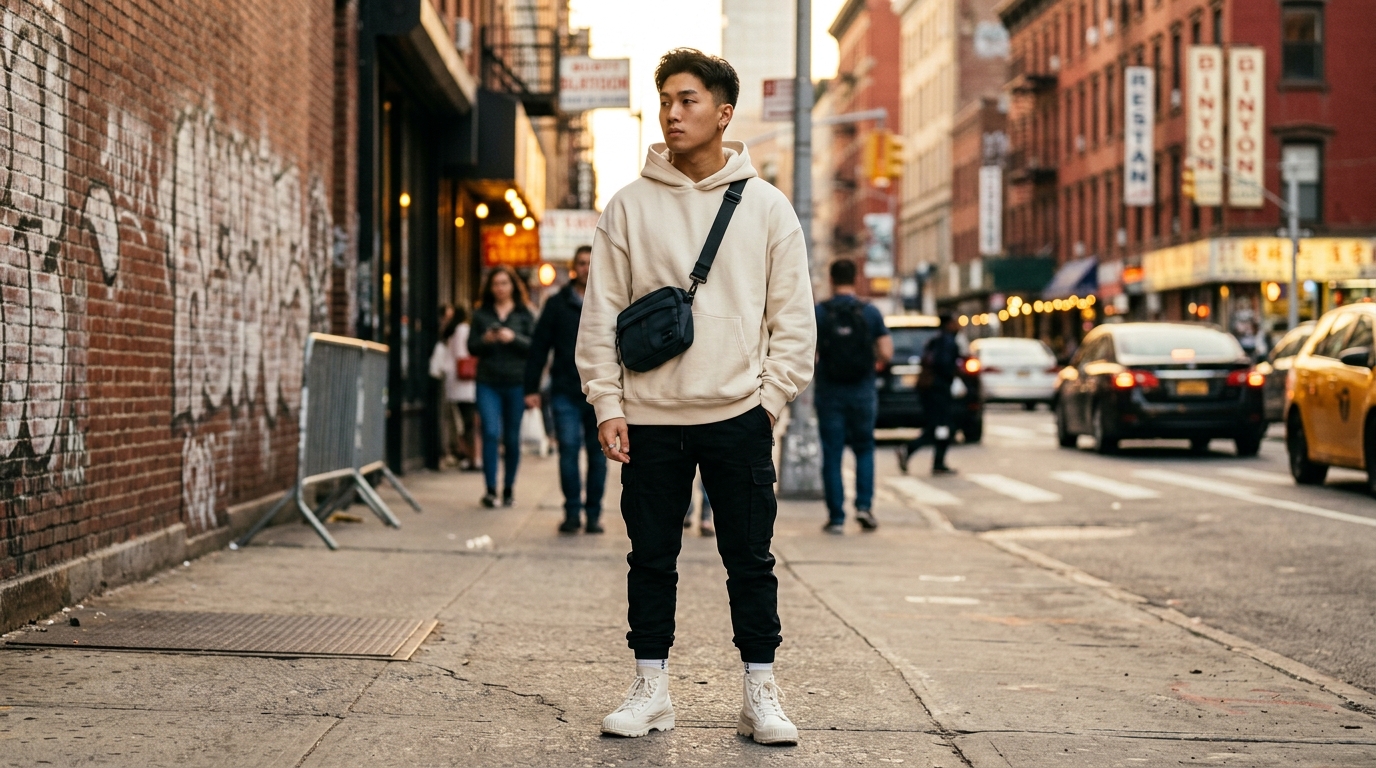
An oversized hoodie or boxy tee paired with slim joggers, tapered cargos, or straight-leg trousers that sit clean at the ankle. The volume lives on top, and the lower half provides the structure. This is the most common oversized formula because it is almost impossible to get wrong. The fitted bottom grounds the silhouette and prevents the "walking tent" effect.
Fitted Top, Loose Bottom
A cropped or regular-fit tee tucked or half-tucked into wide-leg trousers, baggy jeans, or parachute pants. The top defines the torso while the bottom does the talking. This one takes slightly more confidence but reads incredibly clean when the proportions are right. The key is that the top should end at or above the natural waistline — letting it hang loose over wide trousers erases the whole point.
Oversized Pieces That Actually Work
Not everything is meant to be oversized. Some pieces gain character with extra room. Others just look broken.
Worth Sizing Up
Hoodies and sweatshirts. The dropped shoulder, the extra length, the slightly wider sleeve — these all work because hoodies are inherently casual. Volume amplifies the relaxed energy without clashing with the garment's purpose. Look for heavyweight cotton or fleece. Thin hoodies go shapeless fast.
Graphic tees. A slightly oversized graphic tee — one or two sizes up, not three — with the print sitting across a wider chest area actually makes the design land better visually. Pair with slim bottoms. The tee becomes the statement, the bottoms become the frame.
Denim jackets and overshirts. An oversized denim jacket layered over a fitted hoodie or tee creates depth. The structure of denim holds the shape even when the cut is relaxed. Same goes for heavy overshirts — the fabric does the work.
Wide-leg trousers. When paired with a more defined top, wide legs create a silhouette that looks both modern and grounded. The trouser should still have a clean hem — either a full break or a slight crop. Dragging on the floor is not a look, it is neglect.
Not Worth Sizing Up
Blazers (unless you know what you are doing). Oversized blazers can look incredible on editorial shoots and absolutely lost in real life. The sleeve length, shoulder drop, and body length all need to be precisely wrong in a way that still reads as intentional. For most people, a relaxed-fit blazer is the move. Not a true oversized one.
Knitwear without structure. A chunky oversized knit can work. A thin, drapy oversized knit almost never does. It clings in weird places, stretches at the neck, and looks worn out instead of worn in. If you are going oversized with knitwear, pick something with visible texture and weight.
Mistakes That Kill the Fit
Ignoring the hem. Where an oversized piece ends matters more than how big it is. A hoodie that hits mid-thigh works. One that stops at an awkward point between hip and thigh looks like you borrowed someone else's. Pay attention to where the hemline lands in relation to your trousers — it should either clear the waistband or sit cleanly at mid-hip.
All-black everything as a safety net. Going full black to "hide" oversized proportions actually makes the problem worse. Without colour or tonal variation, there are zero visual markers for the eye. The outfit becomes a dark blob. Add at least one lighter or contrasting element — white socks, a cream tee underneath, a lighter shoe — to create separation.
Skipping shoes that ground the look. Oversized fits need a shoe with visual weight. A thin, flat sneaker under wide trousers and a big hoodie makes your feet look tiny and the outfit top-heavy. Chunky sneakers, boots, or platform soles give the base enough presence to balance the volume above.
Never trying the outfit on as a full look before going out. Individual pieces might look fine on their own. Together, proportions can shift in ways you do not expect. Tools like Loryve's virtual try-on let you test the complete silhouette against your own body before you commit — which is especially useful when you are experimenting with proportions you have not worn before. It takes the guesswork out of sizing up.
Quick Fixes You Can Use Right Now
Roll the sleeves. Pushing or cuffing oversized sleeves to just below the elbow instantly adds intention. It shows you chose this size — you are not drowning in it. Works on hoodies, overshirts, denim jackets, and tees.
Front-tuck one side. The half-tuck — front of the shirt loosely tucked, back left out — is a simple way to define the waistline without killing the relaxed vibe. It creates an asymmetry that reads as styled rather than sloppy.
Cinch with a bag. A crossbody or belt bag worn over an oversized top creates a natural break point at the waist. It adds a layer of structure without changing the fit of the garment itself. Bonus: it looks street-ready.
Cuff the trousers. If your wide-leg trousers are pooling at the ankle, a single clean cuff changes the whole bottom half. It creates a defined endpoint and makes your shoe choice more visible — which matters, because the shoe is doing anchoring work.
Oversized is one of those styling zones where the line between good and bad is razor-thin. But it is also one of the most rewarding to get right. When the volume is intentional, the proportions are balanced, and the fabric holds up — you look like you understand fit at a level most people do not even think about. And that is the whole point.
Related articles
Occasion Dressing
Occasion Dressing Decoded: What Every Dress Code Actually Means
Cocktail attire. Smart casual. Black tie optional. Every invitation carries a dress code, and most of them are misread. Here is the definitive guide to what each one actually requires.
Wardrobe Strategy
7 Wardrobe Pieces Worth Spending More On (And 5 Where It Doesn't Matter)
Spending more does not always return more. But in certain wardrobe categories, quality is the only thing that works — and the wrong call will cost you twice. This is the analytical breakdown.
Occasion Dressing
Date Night Dressing When You Have No Idea Where to Start
Standing in front of a full wardrobe with nothing to wear is a date-night rite of passage. But the problem is almost never the clothes — it is the brief. Here is how to clarify it and dress with confidence.