Style Philosophy
Quiet Luxury Is Not a Trend — It's a Dressing Philosophy
Three years of discourse have reduced a genuine approach to dressing into a mood board. Here is what it actually means — and how to apply it without buying anything new.

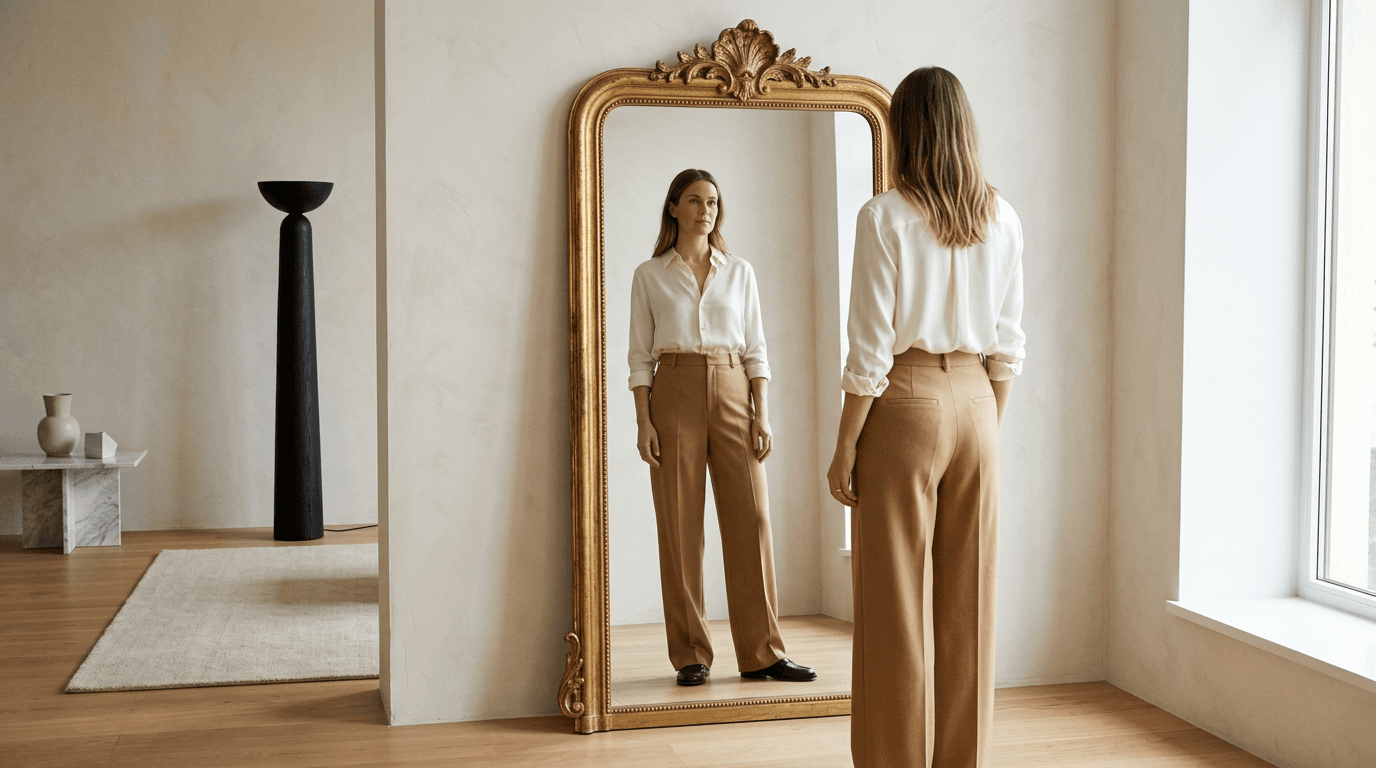
There is a particular kind of getting dressed that leaves no evidence of effort. The proportions are considered, the fabric falls correctly, the shoes are neither the most expensive nor the most obvious in the room. The person wearing this outfit does not look as though they have tried to communicate anything — which is, of course, precisely the communication.
This is what quiet luxury was always supposed to mean. Not a colour palette, not a price bracket, not a brand affiliation. A philosophy of restraint — the discipline to choose less and choose better, and to trust that the result will speak without announcement.
Social media collapsed it into something much smaller: beige, cashmere, no logos. The aesthetic became replicable and therefore meaningless. The philosophy behind it remains entirely intact — and considerably more useful than the trend that borrowed its name.
What "Quiet" Actually Means
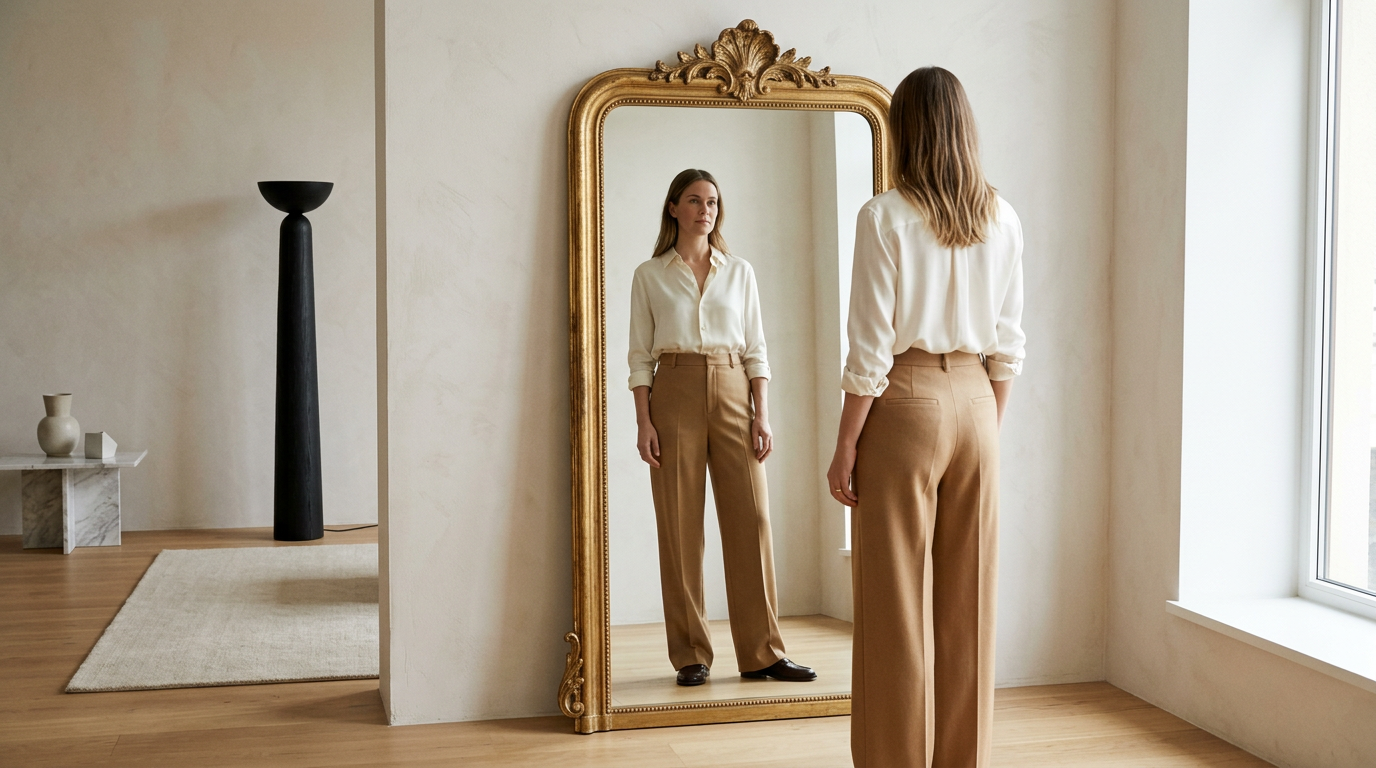
Quietness in fashion is not about absence. It is about calibration. The deliberate choice to let fabric do the work that branding would otherwise do. To let fit communicate what logos would otherwise announce. To remove everything that competes for attention and leave only what holds it.
This is a fundamentally different project from wearing neutral colours. A beige outfit can be loud — poorly cut, ill-proportioned, constructed from cheap materials that lose their shape by noon. A black turtleneck and grey trousers, worn in the right fabrics and with precise tailoring, can carry a room without raising its voice.
The term has its origins in something real: a reaction, shared by many serious dressers, to the hyper-branded maximalism that dominated fashion for much of the previous two decades. Logomania, streetwear inflation, visible designer credentials as social currency. Quiet luxury was the counter-position. The choice to opt out of the conversation and simply dress well.
That counter-position has not become less valid. If anything, the saturation of logo-free beige on social media has made genuine restraint — restrained because considered, not restrained because trendy — more distinct, not less.
The Four Principles That Define It
Stripped of the mood-boarding and the Pinterest boards, the philosophy rests on four principles that are consistent, applicable at any budget, and worth understanding independently of whatever the trend cycle is doing.
Fabric quality over brand recognition. The most immediate way to understand quiet luxury is to run your hand along the sleeve of a well-made garment and register the difference. Weight, drape, surface consistency, the way the fabric recovers from being held. These qualities are not exclusive to luxury price points — they exist at a range of budgets — but they require seeking out, and they do not announce themselves on a label.
Fit that requires no excuse. A quiet outfit is one where no element apologises for itself. The shoulder seam lands correctly. The trouser breaks at the right point on the shoe. Nothing pulls, nothing hangs, nothing was left "close enough." This is the most demanding principle because it cannot be solved with money alone — it requires attention, tailoring where necessary, and the patience to return pieces that do not work even when everything else about them is right.
Restraint in visual competition. Every outfit contains focal points — elements that draw the eye first. Quiet dressing means managing those focal points deliberately: one strong silhouette, one considered texture, one moment of interest. Not because it is minimalist as an aesthetic stance, but because restraint allows each element to be seen clearly. An outfit with five competing focal points has no focal point.
Proportion as the centerpiece. Proportion is the most invisible quality in dressing and the most immediately felt. A wide-leg trouser balanced by a fitted top reads as intentional. The same trouser under a boxy sweatshirt reads as accidental. Quiet luxury is proportional dressing taken seriously — which means understanding your own body's relationship to silhouette, not following a formula.
Where the Concept Gets Lost
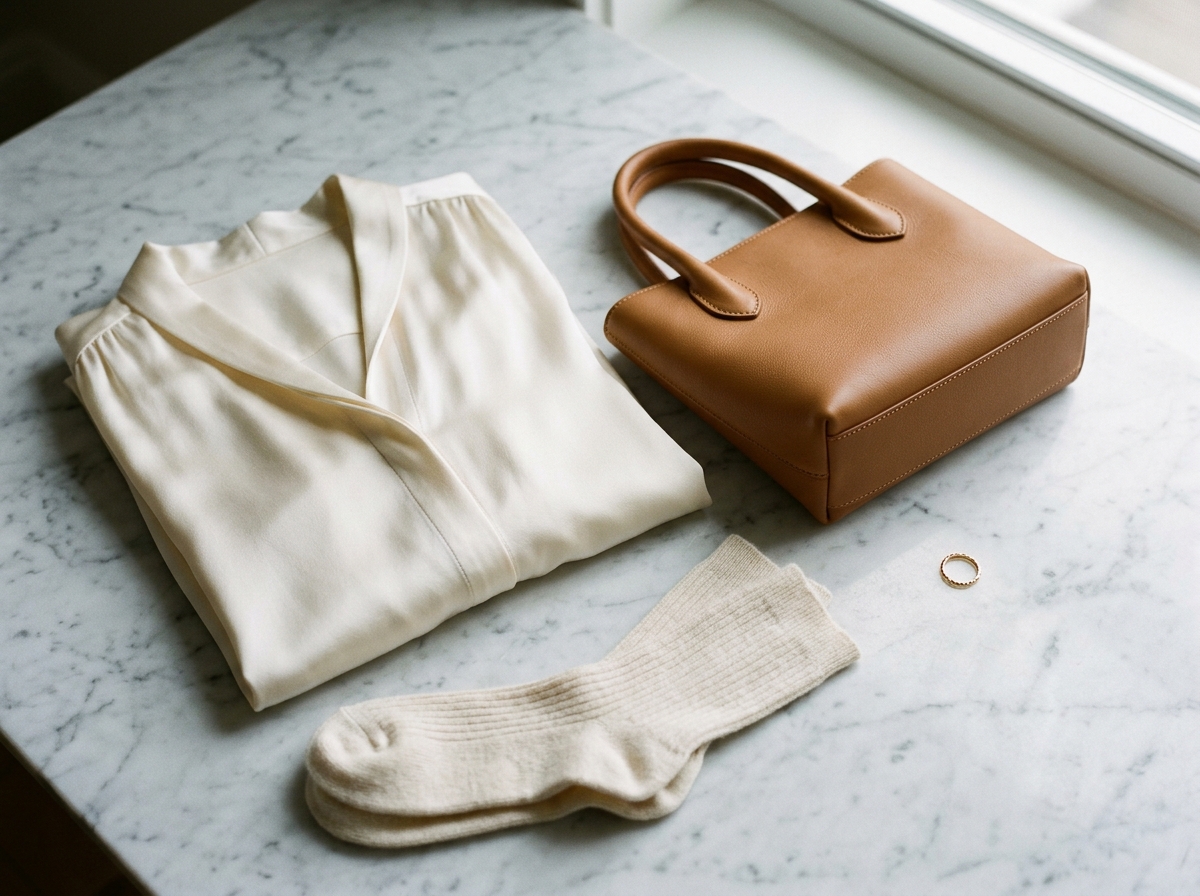
The most common misapplication is colour. People arrive at the conclusion that quiet luxury means a restricted palette — ivory, camel, cream, chocolate — and proceed to build that palette at whatever quality level they already shop at. The result is neither quiet nor luxurious. It is simply beige.
Colour is almost entirely irrelevant to the philosophy. A well-cut forest green cashmere coat, worn over slim dark trousers and clean leather shoes, is a deeply quiet outfit. A poorly constructed ivory blazer that loses its shape over the course of a day is not quiet regardless of its colour.
A second failure point is price as a substitute for thought. Spending significantly on a single piece does not guarantee a quiet result. The Loro Piana zip-up over athletic shorts is a luxury item worn without philosophy. The quiet luxury concept, properly understood, has nothing to do with spend and everything to do with consideration — of what the garment does, how it fits, what it communicates, and whether all of those answers are ones you would choose.
A third, subtler failure: the pastiche of quietness. A look so deliberately logoless, so self-consciously neutral and understated, that it communicates its own effort as clearly as any statement piece would. True restraint does not strain. If the absence of branding is itself the visual statement, the statement has simply changed shape.
How to Apply It Without Starting Over
The productive application of this philosophy begins with the wardrobe you already have.
Start with an audit of fit. Walk through every piece you wear regularly and assess it not for style or colour but for how it sits on your body at the end of a full day, not just in the changing room. Shoulder seams, waistbands, sleeve lengths. Anything that has become "good enough" is a candidate for alteration or replacement — not because perfection is the goal, but because ease is. A garment that fits without negotiation is one you can stop thinking about. That is the point.
Then audit for competition. Lay out a typical outfit and count the focal points. If there are more than two, decide which is the one you want to keep. Remove or replace the rest. This does not require a new wardrobe — it requires a new way of assembling the one you have.
Finally, assess fabric in the things you wear most. Not against an idealized standard, but against their own potential. A cotton shirt that has faded slightly, a knit that pills along the sleeves, a blazer whose lining has begun to show — these are the pieces most worth replacing first, because they are worn regularly enough that their quality communicates itself constantly. Not dramatically, but persistently.
Quiet luxury is, in the end, simply the practice of paying attention. To what you wear and why. To how pieces relate to each other and to your body. To the small decisions that accumulate into a consistent point of view. It is less a wardrobe category than a standard of self-knowledge — one that becomes more precise, and more effortless, the longer it is practiced.
Related articles
Styling
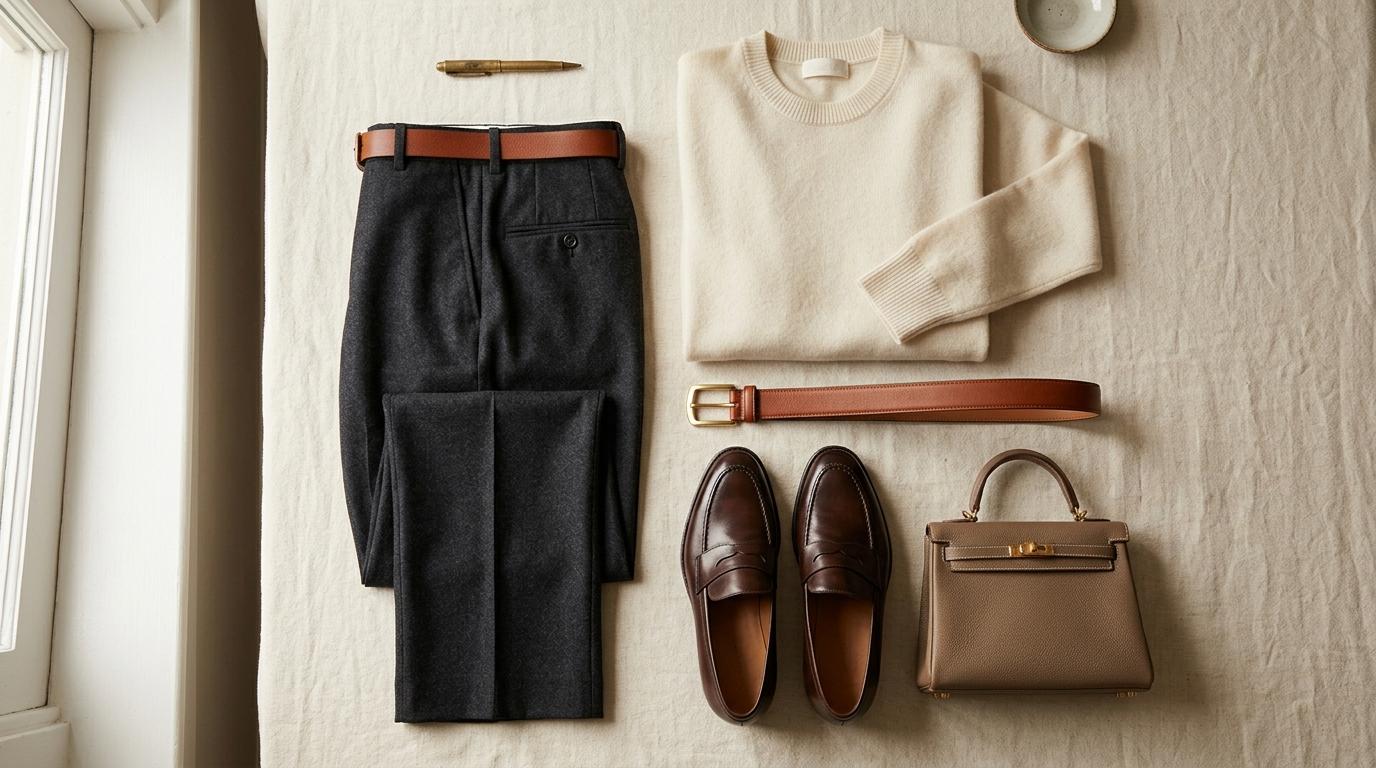
What Makes an Outfit Look Expensive (It Is Not the Price Tag)
Looking expensive has almost nothing to do with what you spend. It is about fit, fabric, proportion, and a few finishing details most people overlook.
Occasion Dressing
Occasion Dressing Decoded: What Every Dress Code Actually Means
Cocktail attire. Smart casual. Black tie optional. Every invitation carries a dress code, and most of them are misread. Here is the definitive guide to what each one actually requires.
Wardrobe Strategy
7 Wardrobe Pieces Worth Spending More On (And 5 Where It Doesn't Matter)
Spending more does not always return more. But in certain wardrobe categories, quality is the only thing that works — and the wrong call will cost you twice. This is the analytical breakdown.