Styling
What Makes an Outfit Look Expensive (It Is Not the Price Tag)
The styling details that separate a polished look from an ordinary one — regardless of budget.
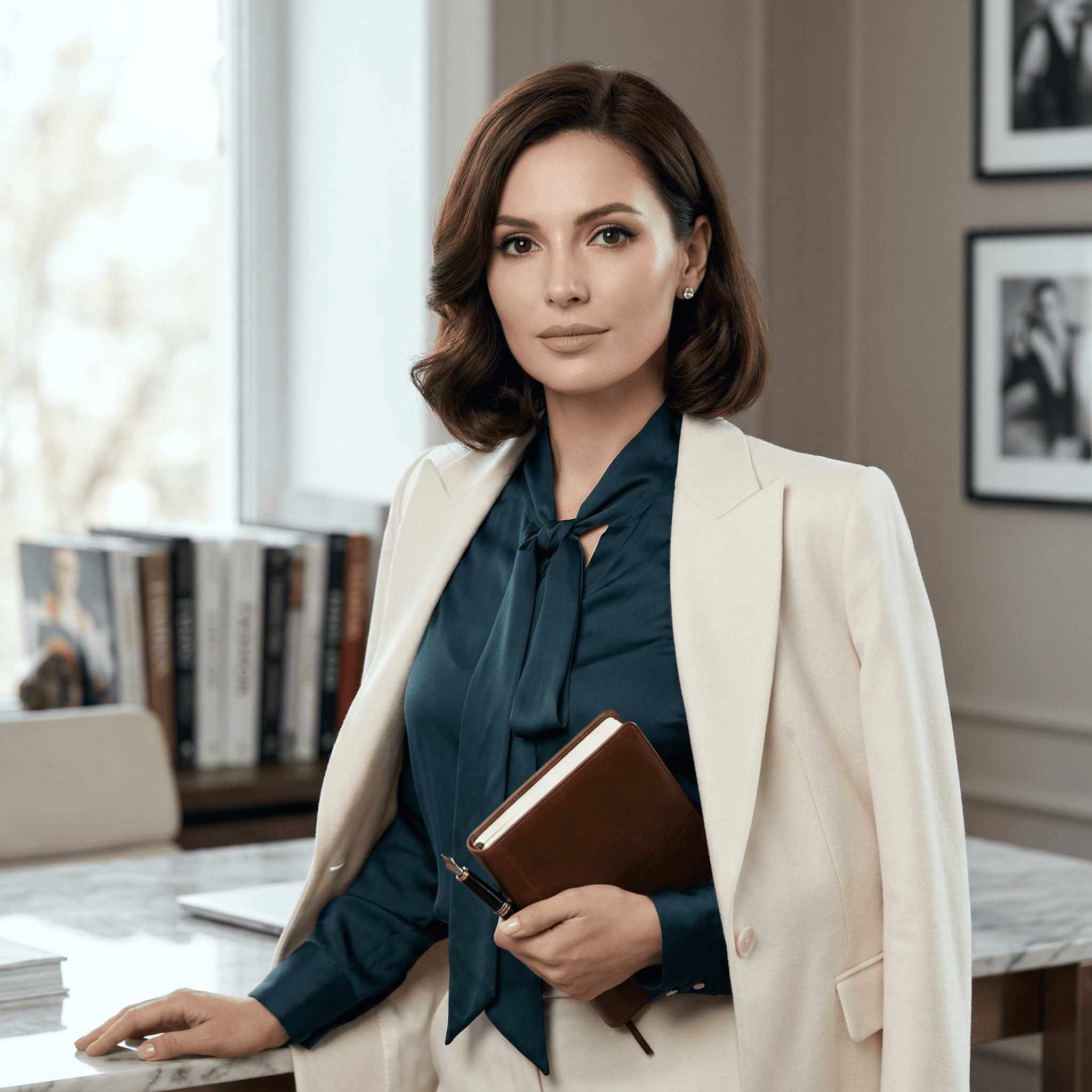
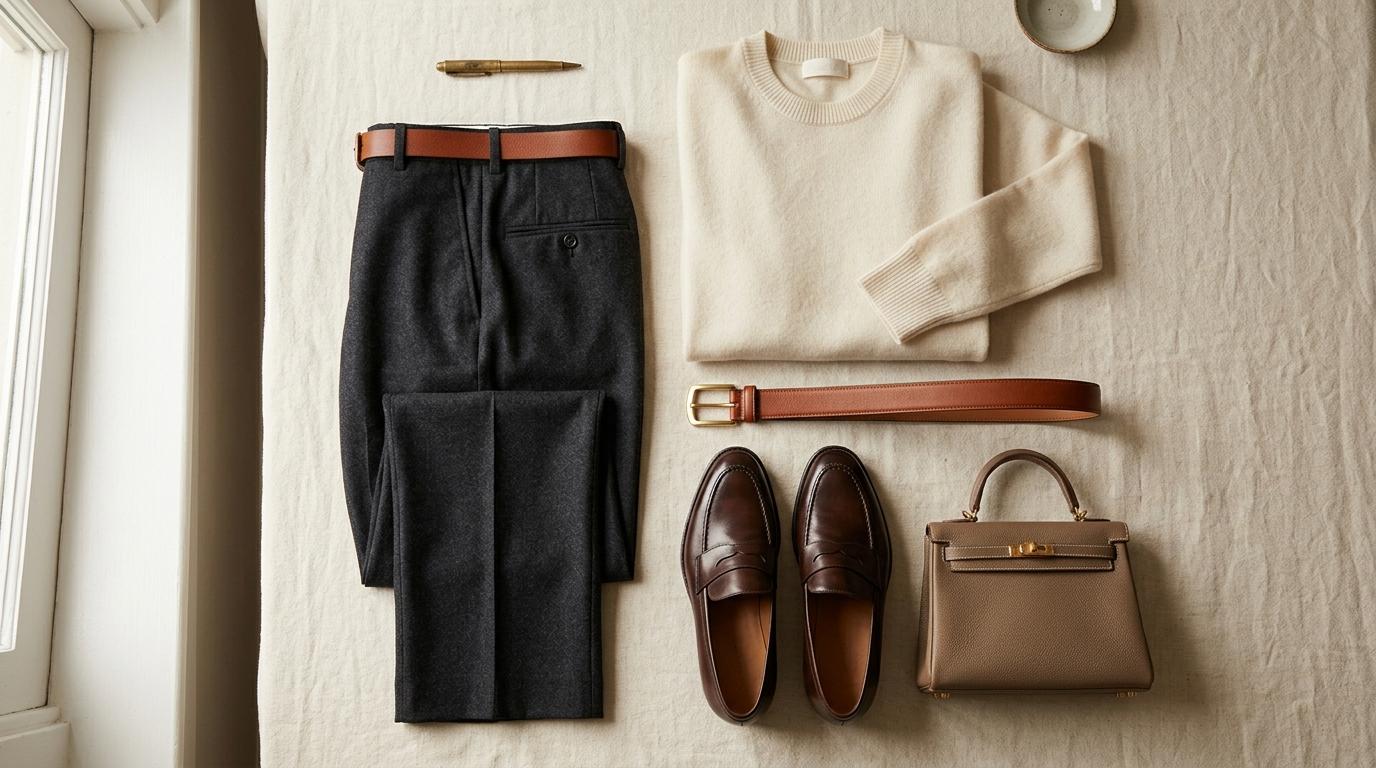
There is a particular kind of outfit that makes you pause. Not because it is loud or covered in logos — quite the opposite. It reads as considered. The proportions sit right. The fabric catches light in a way that suggests weight and care. Everything looks intentional, from the collar to the shoe.
That effect has remarkably little to do with price. Some of the most expensive wardrobes in the world look careless, while some of the most striking outfits are built from mid-range pieces styled with discipline. What separates the two is not budget — it is attention to the details that signal quality, even when quality itself is modest.
The Expensive Illusion
When someone looks at an outfit and registers it as expensive, they are rarely evaluating price. They are reading a set of visual cues — fabric drape, color restraint, proportional balance, absence of clutter. These cues are learned over time, often subconsciously, and they can be replicated deliberately.
The reason certain designer pieces look premium is not only the material. It is the editing. Luxury brands remove excess. They narrow the color palette, simplify the silhouette, and let one or two elements carry the look. You can apply the same principle without the same receipt.
Think of it this way: a plain cream knit with clean seams, worn with well-fitted dark trousers and leather loafers, will almost always look more expensive than a branded hoodie layered over distressed jeans — even if the hoodie cost ten times more.
Fit Is the First Signal
Nothing undermines an outfit faster than poor fit. A blazer that pulls at the shoulders. Trousers that pool around the ankle. A shirt collar that gapes. These are the details that register as careless, and no amount of premium fabric rescues them.
Fit does not mean skin-tight. It means the garment follows your body's lines without fighting them. The shoulder seam sits at the shoulder. The trouser break is clean — either a slight fold or a sharp crop, not a puddle. The waist of a coat or blazer nips gently enough to show there is a body underneath without pulling across the chest.
Tailoring is the single highest-return investment in any wardrobe. A mid-price blazer taken in at the waist and shortened by a centimetre at the sleeve can outperform a designer piece straight off the rack. This is not an exaggeration — it is the reason stylists exist. They fit first, style second.
The Proportion Trick
When in doubt, match volume with restraint. A wider trouser pairs best with a more structured, closer-fitting top. An oversized shirt works when the bottom half is slim and anchored. The outfit reads as balanced when one half does the talking and the other half listens. The moment both halves compete — oversized top and oversized bottom — the structure dissolves and the look reads as shapeless rather than relaxed.
Fabric Tells the Truth
You can see quality fabric from across a room. It drapes instead of hanging stiffly. It has a subtle depth to its colour — not flat, not plasticky. When you touch it, there is weight. Not heavy, necessarily, but present.
Natural fibres — wool, cotton, linen, silk, cashmere — almost always photograph and wear better than synthetics. They wrinkle differently, fall with more body, and age more gracefully. A cotton poplin shirt may cost the same as a polyester one, but the visual gap between them is enormous.
This does not mean you must avoid all synthetics. Blends can be excellent. But the dominant fibre in any visible garment should lean natural if you want the look to hold up under scrutiny. Save synthetics for linings, activewear, and pieces where performance matters more than drape.
Colour Discipline
Expensive-looking outfits tend to work within a narrow tonal range. Not necessarily monochrome, but controlled. Two or three colours that speak to each other rather than compete. Earth tones, muted jewel tones, greyed-out pastels — these palettes create visual calm. The eye moves smoothly across the outfit instead of bouncing between contrasts.
Bright colour is not off-limits, but it needs isolation. One saturated piece surrounded by quiet ones — a deep burgundy scarf over a grey coat, a cobalt bag against a navy outfit — feels deliberate. Three bright pieces in one look feel chaotic.
The Finishing Details That Do the Heavy Lifting
Shoes. Nothing dates or cheapens an outfit faster than the wrong shoe. Scuffed, overly chunky, or visually disconnected from the rest of the look — any of these breaks the illusion. Clean leather shoes, well-maintained sneakers, or simple suede loafers anchor an outfit with quiet authority. When the shoes look cared for, the entire outfit borrows that impression.
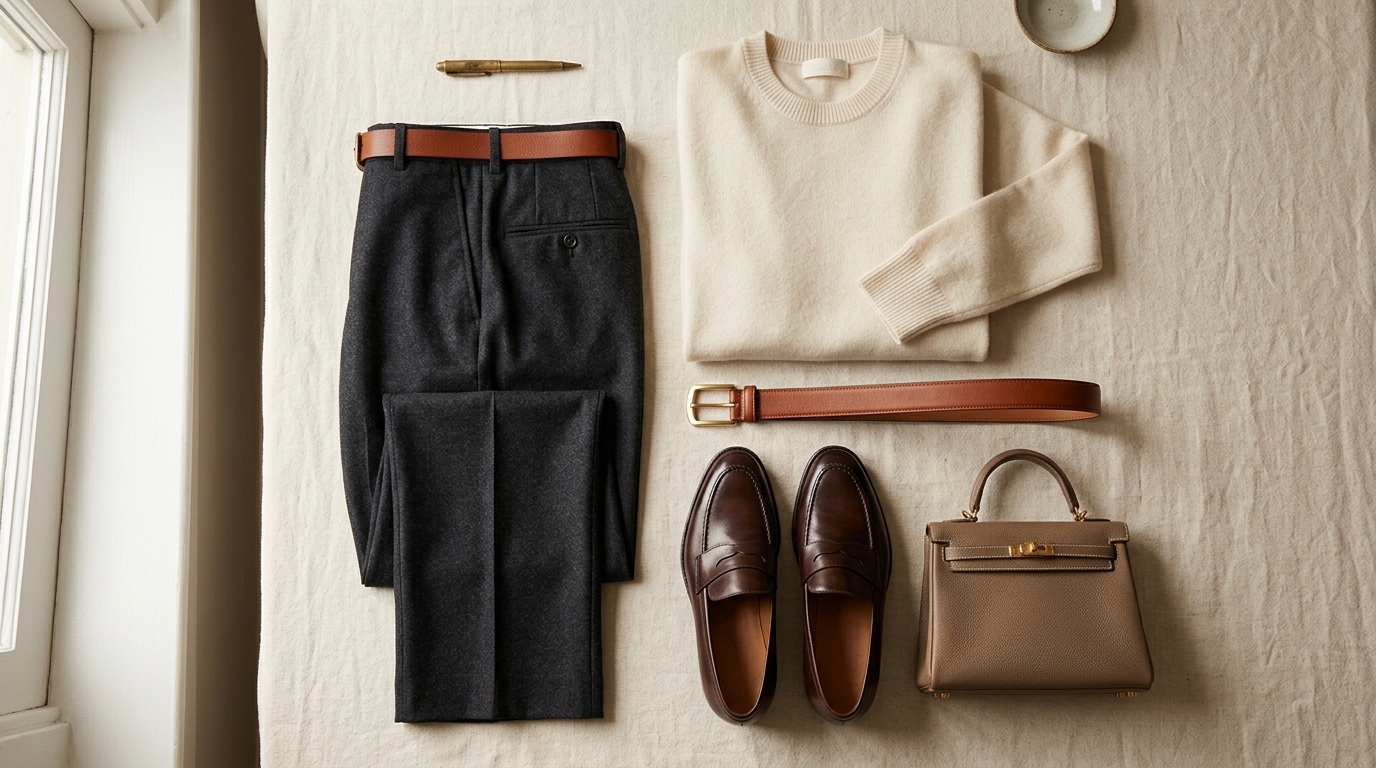
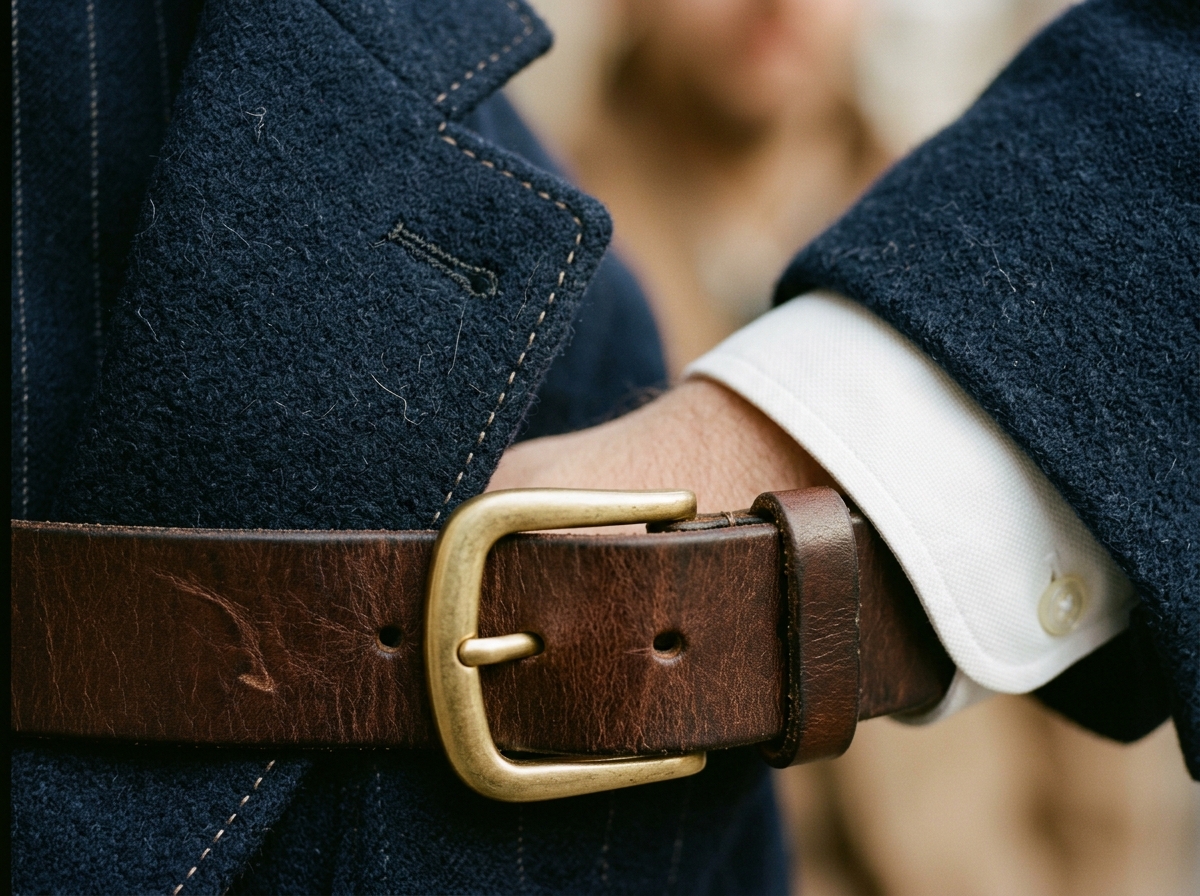
Hardware. Zippers, buckles, buttons. Most people never think about these, which is precisely why they matter. Matte gold or brushed silver hardware reads richer than shiny, plasticky metal. A belt with a simple, well-finished buckle outperforms one with an oversized logo. Subtlety here is everything.
Bags. A structured bag in a single colour, without excessive ornamentation, elevates even the simplest outfit. The bag does not need to be designer — it needs to be clean-lined, well-proportioned, and in good condition. Leather that shows natural grain reads better than synthetic leather trying to look like something it is not.
Grooming and pressing. Wrinkled clothes never look expensive. A quick steam or iron makes more difference than most people realise. Similarly, clean nails, neat hair, and well-maintained accessories close the gap between a good outfit and a polished one.
Common Mistakes That Cheapen a Look
Visible branding as the focal point. Large logos broadcast the brand, not the wearer. The most expensive-looking outfits let the construction, fabric, and shape speak instead. Branding can exist — a subtle monogram, an embossed buckle — but when it becomes the loudest element, the outfit shifts from personal style to advertisement.
Too many trends at once. Following every current silhouette simultaneously — chunky soles, cropped everything, oversized layers — reads as trying. One current element grounded by timeless pieces is the balance that looks effortless instead of desperate.
Ignoring proportion. A beautiful coat loses its impact when paired with trousers that are too short or shoes that are too bulky. Proportion is the silent architect of every great outfit. When it is right, nobody notices. When it is wrong, everything feels off even if each piece is individually excellent.
Neglecting the underside. A lined jacket drapes better than an unlined one. A hem that sits flat signals care. These invisible details affect how the garment sits and moves, and people register the result even if they cannot articulate why.
If you find yourself unsure whether a combination is working — whether the proportions feel right, whether a shoe grounds the look or fights it — tools like Loryve's virtual try-on let you preview the full outfit against your own image before committing. It is not about replacing your instincts; it is a faster way to test what your eye suspects but your mirror cannot confirm from every angle.
The Quiet Luxury Edit
If you want to apply these principles immediately, start with what you already own. Pull out the pieces that fit well, feel good in the hand, and work within a restrained palette. Build outfits around those anchors. Retire pieces that sag, pill excessively, or pull in the wrong places — they cost you more in visual quality than they are worth.
Three upgrades that change everything:
First, replace your most-worn belt with one in full-grain leather and minimal hardware. Second, invest in one tailoring visit for your best blazer or coat — just the waist and sleeves. Third, find one pair of leather shoes you can maintain properly and rotate them instead of cycling through disposable options.
These are not expensive changes. They are precise ones. And precision is the entire difference between looking like you spent a fortune and looking like you did not need to.
A wardrobe audit — digital or otherwise — accelerates this process dramatically. When you can see your pieces mapped out by colour, fabric, and fit rather than buried in a closet, the editing decisions become obvious. The gaps reveal themselves. The redundancies stand out. And the combinations you never tried suddenly look like they were always meant to work together.
Related articles
Style Philosophy
Quiet Luxury Is Not a Trend — It's a Dressing Philosophy
Quiet luxury became a trend by accident — and in doing so, lost most of its meaning. The actual philosophy is simpler, more demanding, and far more useful than the aesthetic it spawned.
Occasion Dressing
Occasion Dressing Decoded: What Every Dress Code Actually Means
Cocktail attire. Smart casual. Black tie optional. Every invitation carries a dress code, and most of them are misread. Here is the definitive guide to what each one actually requires.
Wardrobe Strategy
7 Wardrobe Pieces Worth Spending More On (And 5 Where It Doesn't Matter)
Spending more does not always return more. But in certain wardrobe categories, quality is the only thing that works — and the wrong call will cost you twice. This is the analytical breakdown.